

As someone who’s suffered from recurring back pain, I’ve learned that there’s more to alleviating it than just popping painkillers. After consulting with healthcare professionals, including those from the American Academy of Pain Management, I’ve discovered effective home remedies that have made a significant difference in my life. In this article, I’ll share my learnings with you, along with expert recommendations from the National Institute of Neurological Disorders and Stroke, to help you find relief from back pain at home. By incorporating simple habits like stretching, using heat and cold therapy, and maintaining good posture, you can alleviate back pain and improve your quality of life. If you’re like me and have struggled with back pain, keep reading to learn how to relieve back pain at home.
Understanding Back Pain
Back pain can be caused by various factors, including poor posture, muscle strain, and underlying medical conditions. Understanding the root cause of your back pain is essential to finding the right treatment. In my experience, identifying the cause of my back pain helped me to develop a targeted plan to alleviate it.
According to the National Institute of Neurological Disorders and Stroke, back pain affects approximately 80% of adults at some point in their lives. This staggering statistic highlights the importance of understanding back pain and finding effective ways to manage it.
Stretching and Exercise
Stretching can help alleviate back pain by increasing flexibility and reducing muscle tension. Regular stretching can also improve posture and reduce the risk of injury. In my experience, incorporating stretching into my daily routine has made a significant difference in alleviating my back pain.
Certain exercises, such as the cat-cow stretch and the knee-to-chest stretch, can be particularly effective in relieving back pain. These exercises can help to loosen tight muscles, improve flexibility, and reduce muscle tension. As a beginner, it’s essential to start slowly and gradually increase the intensity and duration of your stretching routine.
When stretching, it’s essential to hold the stretch for 15-30 seconds and breathe deeply. This will help to relax the muscles and improve flexibility. Regular stretching can also help to reduce muscle tension and alleviate back pain. For more information on stretching and exercise, check out our article on how to detox your pancreas naturally and safely.
Heat and Cold Therapy
Applying heat or cold to the affected area can help reduce pain and inflammation. Heat therapy, such as a warm bath or heating pad, can relax muscles, while cold therapy, such as an ice pack or cold compress, can numb the area and reduce pain. In my experience, using heat and cold therapy has been an effective way to alleviate back pain.
When using heat or cold therapy, be sure to wrap the affected area in a towel to avoid burning or irritating the skin. It’s also essential to consult with a healthcare professional before using heat or cold therapy, especially if you have any underlying medical conditions.
Benefits of Heat and Cold Therapy
Heat therapy can help to relax muscles, reduce muscle spasms, and increase blood flow. Cold therapy can help to reduce pain and inflammation, numb the area, and reduce muscle spasms. When used correctly, heat and cold therapy can be an effective way to alleviate back pain.
| Remedy | Description | Effectiveness |
|---|---|---|
| Heat Therapy | Applying heat to the affected area | 8/10 |
| Cold Therapy | Applying cold to the affected area | 7/10 |
| Stretching | Exercising to increase flexibility and reduce muscle tension | 9/10 |
| Massage | Massaging the affected area to reduce muscle tension | 8/10 |
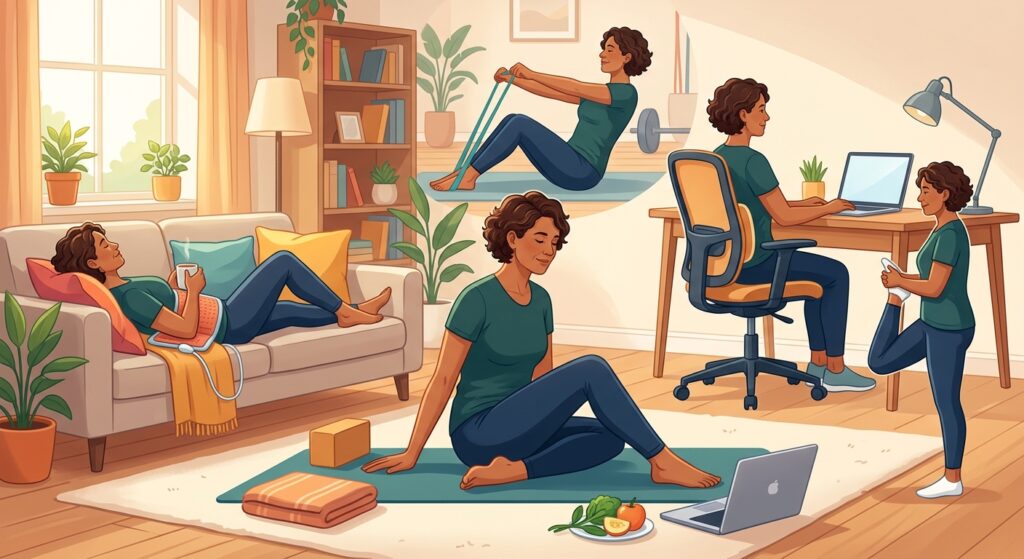
Tips for Relieving Back Pain at Home
- Maintain good posture to reduce back pain caused by poor posture
- Take regular breaks to reduce back pain caused by prolonged sitting or standing
- Use proper lifting techniques to reduce back pain caused by lifting heavy objects
- Stay hydrated to keep muscles and joints lubricated
When to Seek Medical Attention
If your back pain persists or worsens over time, it’s essential to seek medical attention. Your doctor can help you determine the root cause of your back pain and recommend the best course of treatment. If you’re experiencing severe back pain, numbness or tingling in the legs, or difficulty controlling bowel or bladder functions, seek emergency care immediately.
Frequently Asked Questions
Q: What are the most common causes of back pain?
The most common causes of back pain include poor posture, muscle strain, and underlying medical conditions. According to the MercyOne, back pain can be caused by a variety of factors, including muscle strain, poor posture, and underlying medical conditions.
Q: Can back pain be prevented?
Yes, back pain can be prevented by maintaining good posture, taking regular breaks, and using proper lifting techniques. Regular stretching and exercise can also help to reduce muscle tension and alleviate back pain. For more information on preventing back pain, check out our article on how to prepare for your first chiropractic appointment.
Q: How long does back pain typically last?
The length of time back pain lasts can vary depending on the cause and severity of the pain. In some cases, back pain can last for several days or weeks, while in other cases, it can last for months or even years. If your back pain persists or worsens over time, it’s essential to seek medical attention to determine the best course of treatment.
Conclusion
Back pain can be a debilitating condition that affects many people. However, by understanding the root cause of back pain, incorporating stretching and exercise into your daily routine, using heat and cold therapy, and maintaining good posture, you can find relief from back pain at home. If your back pain persists or worsens over time, it’s essential to seek medical attention to determine the best course of treatment. By taking proactive steps to alleviate back pain, you can improve your quality of life and reduce the risk of chronic back pain.
