
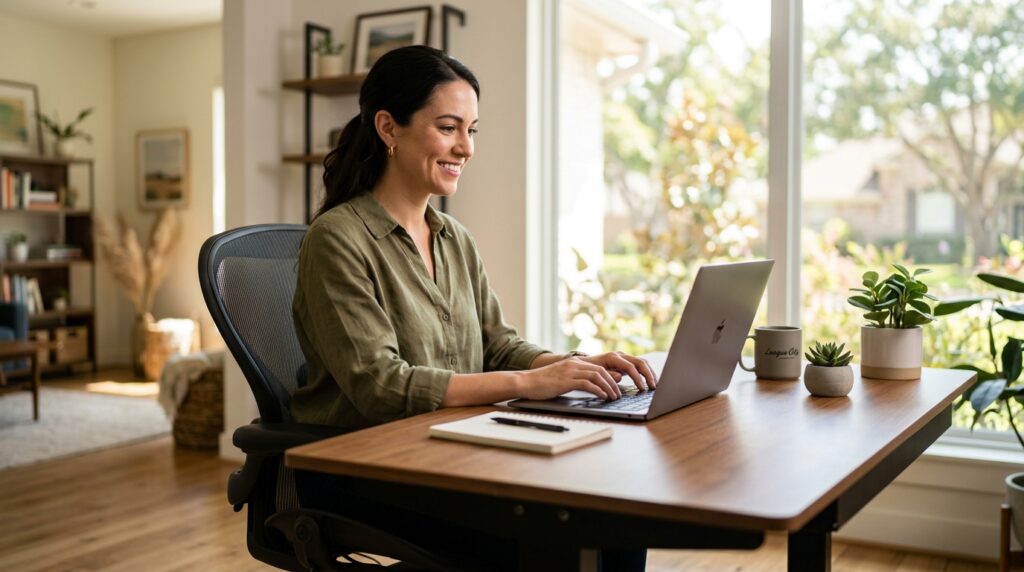
As I sat at my desk, staring at my computer screen, I couldn’t help but feel a sense of discomfort. My neck was stiff, my back was aching, and I felt like I was slouching even more than usual. I had been working from home for months, and my posture had suffered as a result. I knew I wasn’t alone – millions of people around the world struggle with poor posture, whether it’s due to a sedentary lifestyle, a job that requires long hours of sitting, or simply a lack of awareness about the importance of good posture.
I remember when I first started working from home, I thought it would be great to be able to work in my pajamas and take breaks whenever I wanted. But what I didn’t realize was that I would be sacrificing my posture and putting myself at risk for back pain and other health problems. That’s why I was determined to make a change and improve my posture.
10 Tips for Better Posture: A Journey to a Healthier You
Good posture is more than just standing up straight – it’s a key component of overall health and well-being. When we maintain good posture, we reduce our risk of back pain, improve our breathing, and even boost our mood. But achieving good posture can be tough, especially in today’s world where we’re constantly surrounded by distractions and temptations to slouch.
League City, TX, residents, take note: maintaining good posture is especially important in our region, where a sedentary lifestyle can be a major contributor to back pain and other health problems. By following the tips outlined in this article, you’ll be taking a crucial step towards a healthier, happier you.
Understanding the Importance of Posture
Good posture is essential for maintaining the proper alignment of the spine, which is made up of 33 vertebrae that extend from the base of the skull to the tailbone. When we maintain good posture, we allow our spine to function properly, which reduces the risk of back pain and other health problems. But what exactly is good posture, and how can we achieve it? The American Council on Exercise (ACE) defines good posture as a position that allows the body to function in a way that minimizes stress on the muscles and joints.
The Benefits of Good Posture
So what exactly are the benefits of good posture? For one, it can help reduce back pain by taking pressure off the muscles and joints in the lower back. Good posture can also improve your breathing, as it allows your lungs to expand fully and take in more oxygen. In addition, good posture can boost your mood by reducing stress and anxiety. And did you know that good posture can even improve your self-esteem? When we feel confident and comfortable in our bodies, we’re more likely to feel good about ourselves overall.
The Risks of Poor Posture
On the other hand, poor posture can lead to a host of health problems, including back pain, neck pain, and even respiratory problems. When we slouch or hunch over, we put unnecessary stress on our muscles and joints, which can lead to inflammation and pain. Poor posture can also lead to respiratory problems, as it can reduce lung capacity and make it harder to breathe.
Identifying Posture Problems
So how do you know if you have a posture problem? Here are some common signs to look out for: back pain or stiffness, neck pain or stiffness, shoulder pain or stiffness, headaches or migraines, difficulty breathing or feeling winded easily, and feeling tired or fatigued all the time. If you’re experiencing any of these symptoms, it may be time to reassess your posture and make some changes.
You might also want to check out our guide on Are Apples Good for Diabetics? for more details on how diet can impact your overall health.
Common Causes of Poor Posture
So what are some common causes of poor posture? Here are a few: sedentary lifestyle, job that requires long hours of sitting, poor sleeping habits, muscle imbalances or weakness, and poor lifting techniques. By understanding the common causes of poor posture, we can take proactive steps to prevent it and maintain good posture instead.
The Role of Technology in Poor Posture
In today’s world, we’re constantly surrounded by technology – from our smartphones to our laptops to our tablets. And while technology can be a convenient and essential tool, it can also contribute to poor posture. Here are a few ways in which technology can lead to poor posture: using a smartphone or tablet in bed or on a couch, working at a desk or computer for long periods of time without taking breaks, and using a laptop or tablet on a lap or in a bag.
A study by the Hospital for Special Surgery found that using technology in the wrong way can lead to poor posture and other health problems.
The Impact of Poor Posture on Daily Life
Poor posture can have a significant impact on daily life, from making it harder to breathe and increasing the risk of back pain to reducing our energy levels and making us feel tired and fatigued all the time. By maintaining good posture, we can improve our overall health and well-being, which can have a positive impact on every area of our lives.
A Comparison of Good and Poor Posture
Here’s a comparison of good and poor posture, along with some key statistics:
| Posture Type | Back Angle | Shoulder Angle | Neck Angle | Head Position |
|---|---|---|---|---|
| Good Posture | 0-20 degrees | 0-20 degrees | 0-20 degrees | Eyes forward |
| Poor Posture | 40-60 degrees | 40-60 degrees | 40-60 degrees | Head forward or down |
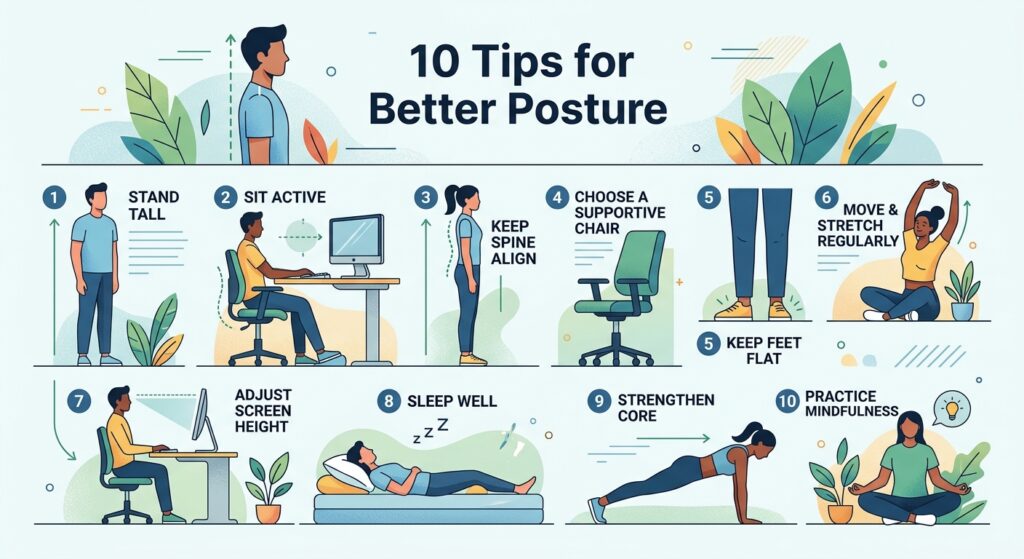
Tips for Better Posture: A Checklist
- Stand up straight with your shoulders back and your head held high
- Keep your shoulders relaxed and down
- Engage your core muscles to support your spine
- Avoid slouching or leaning to one side
- Take regular breaks to stretch and move around
- Practice good lifting techniques
- Use proper posture when sitting or standing
You might also want to check out our guide on Is Sourdough Bread Good for Diabetics? for more details on how diet can impact your overall health.
Stretching for Good Posture
Stretching is an essential part of maintaining good posture, as it can help reduce muscle tension and improve flexibility. Here are some stretches to try:
Chest stretch: Stand in a doorway with your hands on the doorframe at shoulder height. Lean forward until you feel a stretch in your chest.
Shoulder rolls: Roll your shoulders forward and backward in a circular motion.
Neck stretch: Slowly tilt your head to the side, bringing your ear towards your shoulder.
The Importance of Core Strength for Good Posture
Core strength is essential for maintaining good posture, as it helps to support the spine and maintain proper alignment. Here are some exercises to try:
Plank: Hold a plank position for 30-60 seconds to engage your core muscles.
Leg raises: Lie on your back with your arms at your sides and raise your legs straight up towards the ceiling.
Bird dog: Start on your hands and knees, then lift your right arm and left leg off the ground and hold for a few seconds.
Final Thoughts
Maintaining good posture is a journey, not a destination. It takes time and practice to develop good posture habits, but the benefits are well worth it. By following the tips outlined in this article and being mindful of our posture throughout the day, we can improve our overall health and well-being and reduce our risk of back pain and other health problems.
Frequently Asked Questions
Q: What is the best way to improve my posture?
The best way to improve your posture is to be mindful of your posture throughout the day and make a conscious effort to maintain good posture. This can involve taking regular breaks to stretch and move around, practicing good lifting techniques, and using proper posture when sitting or standing.
Q: Can poor posture cause back pain?
Yes, poor posture can cause back pain by putting unnecessary stress on the muscles and joints in the lower back.
Q: How can I prevent poor posture?
You can prevent poor posture by being mindful of your posture throughout the day and making a conscious effort to maintain good posture.
Q: What are some common causes of poor posture?
Some common causes of poor posture include a sedentary lifestyle, a job that requires long hours of sitting, poor sleeping habits, muscle imbalances or weakness, and poor lifting techniques.
Q: Can good posture improve my breathing?
Yes, good posture can improve your breathing by allowing your lungs to expand fully and take in more oxygen.
