
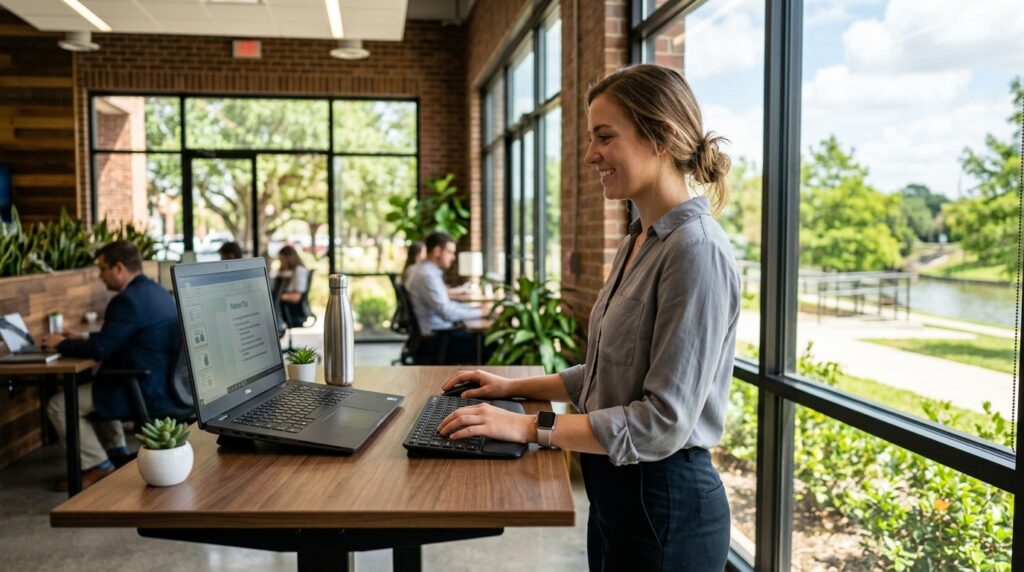
Maintaining good posture is a crucial aspect of our overall health and wellbeing. As I sit here, typing away on my keyboard, I’m reminded of the countless hours I spent slouching over my desk as a student. My parents would often remind me to straighten my back, but I never understood the importance of good posture. It wasn’t until I suffered a debilitating back injury that I realized the significance of maintaining a healthy spine. According to the American Council on Exercise (ACE), good posture is defined as “standing, sitting, or lying in a position where the body is balanced and symmetrical.”
The National Institute of Arthritis and Musculoskeletal and Skin Diseases (NIAMS) notes that poor posture can lead to a range of issues, including back pain, headaches, and even respiratory problems. By adopting good posture habits, we can reduce our risk of developing these conditions and improve our overall quality of life. You might also want to check out our guide on Are Apples Good for Diabetics? Here’s What You Should Know for more information on maintaining a healthy lifestyle.
Understanding Good Posture
Good posture is not just about standing up straight; it’s about maintaining a balance between our muscles, bones, and joints. When we have good posture, our body is able to function efficiently, reducing the risk of injury and strain. In my experience, maintaining good posture requires a combination of awareness, education, and practice. It’s essential to understand the importance of spinal alignment and how it can impact our overall health.
Our spine is made up of 33 vertebrae, which work together to provide support and flexibility. When our spine is aligned properly, we can maintain good posture and reduce our risk of injury. However, many of us are unaware of the importance of spinal alignment and how it can impact our overall health. A study by Back Intelligence found that poor spinal alignment can lead to a range of issues, including back pain and sciatica.
The Benefits of Good Posture
Maintaining good posture has a significant impact on our overall health and wellbeing. By adopting good posture habits, we can reduce our risk of developing back pain and other musculoskeletal issues. We can also improve our breathing and respiratory function, enhance our self-confidence, and reduce our risk of developing chronic diseases. In fact, according to the American Council on Exercise (ACE), maintaining good posture can even reduce our risk of developing diabetes and heart disease.
Engaging in regular exercise, including stretching and strengthening exercises, can also help improve our posture. This can include activities such as yoga, Pilates, and swimming. As I always tell people, regular exercise is essential for maintaining good posture and overall health. You might also want to check out our guide on Is Popcorn Good for Diabetics? What You Really Need to Know for more information on maintaining a healthy lifestyle.
Common Posture-Related Issues
Poor posture can lead to a range of issues, including back pain and sciatica, headaches and migraines, respiratory problems and breathing difficulties, and digestive issues and constipation. When I first started practicing good posture, I noticed a significant reduction in my back pain and headaches. However, it’s essential to remember that maintaining good posture requires a combination of awareness, education, and practice.
It’s also essential to understand the importance of spinal alignment and how it can impact our overall health. A study by Sports Research found that poor spinal alignment can lead to a range of issues, including back pain and sciatica. As a result, it’s essential to take care of our spinal alignment and maintain a healthy weight.
The Importance of Spinal Alignment
Our spine is made up of 33 vertebrae, which work together to provide support and flexibility. When our spine is aligned properly, we can maintain good posture and reduce our risk of injury. However, many of us are unaware of the importance of spinal alignment and how it can impact our overall health. It’s essential to understand the five regions of the spine and how they work together to provide support and flexibility.
The five regions of the spine are the cervical, thoracic, lumbar, sacrum, and coccyx. Each region has a specific function and requires proper alignment to maintain good posture. When I first started practicing good posture, I noticed a significant reduction in my back pain and headaches. However, it’s essential to remember that maintaining good posture requires a combination of awareness, education, and practice.
The Role of Muscles in Maintaining Posture
Our muscles play a crucial role in maintaining good posture. When we have strong muscles, we can maintain proper alignment and reduce our risk of injury. However, many of us are unaware of the muscles that are responsible for maintaining good posture. The core muscles, including the abdominals and back muscles, play a crucial role in maintaining good posture.
The neck and shoulder muscles also play a significant role in maintaining good posture. When I first started practicing good posture, I noticed a significant reduction in my back pain and headaches. However, it’s essential to remember that maintaining good posture requires a combination of awareness, education, and practice. As a result, it’s essential to engage in regular exercise, including stretching and strengthening exercises, to maintain strong muscles.
Comparison: Static vs. Dynamic Posture
Static posture refers to our natural posture when we’re not moving, while dynamic posture refers to our posture when we’re in motion. Understanding the difference between static and dynamic posture can help us maintain good posture and reduce our risk of injury. The table below compares the characteristics of static and dynamic posture:
| Definition | Static Posture | Dynamic Posture |
|---|---|---|
| Definition | Our natural posture when we’re not moving. | Our posture when we’re in motion. |
| Characteristics | Stable and symmetrical. | Variable and asymmetrical. |
| Benefits | Reduced risk of injury and strain. | Improved balance and coordination. |
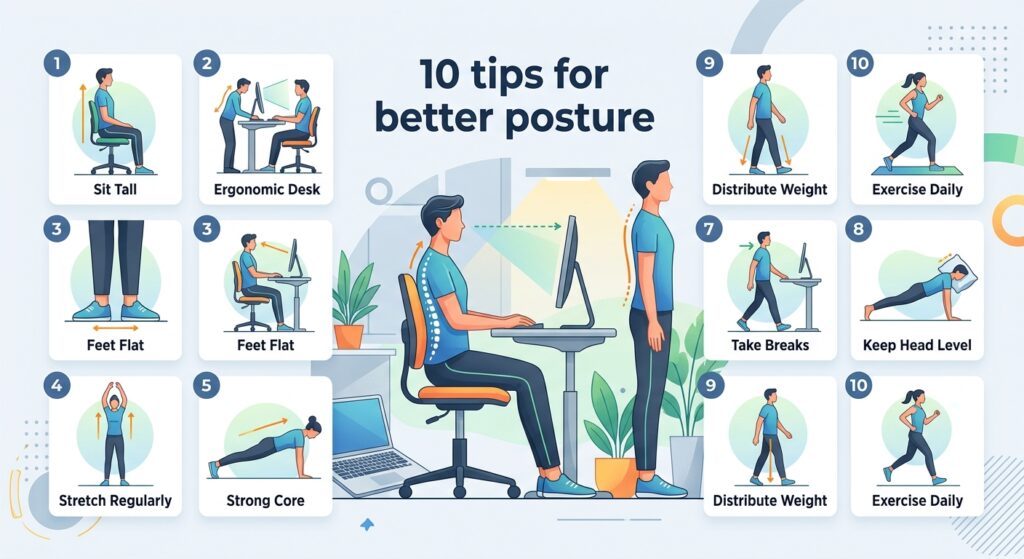
Tips for Maintaining Good Posture
Maintaining good posture requires a combination of awareness, education, and practice. Here are 10 actionable tips to help you improve your posture:
- Take regular breaks to stretch and move your body.
- Practice good posture habits, including standing up straight and avoiding slouching.
- Engage in regular exercise, including stretching and strengthening exercises.
- Use a supportive chair and adjust your workspace to promote good posture.
- Take care of your spinal alignment and maintain a healthy weight.
- Practice deep breathing exercises to reduce stress and tension.
- Avoid crossing your legs or ankles, which can lead to poor posture.
- Use a posture corrector or support to help maintain good posture.
- Practice mindfulness and body awareness to maintain good posture.
Final Thoughts
Maintaining good posture is a crucial aspect of our overall health and wellbeing. By adopting good posture habits and taking care of our spinal alignment, we can reduce our risk of developing back pain and other musculoskeletal issues. Remember, good posture is a journey, not a destination. With awareness, education, and practice, we can maintain good posture and live a healthier, happier life.
Frequently Asked Questions
Q: What are the benefits of good posture?
Maintaining good posture has a significant impact on our overall health and wellbeing. By adopting good posture habits, we can reduce our risk of developing back pain and other musculoskeletal issues, improve our breathing and respiratory function, enhance our self-confidence, and reduce our risk of developing chronic diseases.
Q: What are some common posture-related issues?
Poor posture can lead to a range of issues, including back pain and sciatica, headaches and migraines, respiratory problems and breathing difficulties, and digestive issues and constipation.
Q: How can I improve my posture?
Improving your posture requires a combination of awareness, education, and practice. You can take regular breaks to stretch and move your body, practice good posture habits, engage in regular exercise, use a supportive chair and adjust your workspace to promote good posture, take care of your spinal alignment, practice deep breathing exercises, and use a posture corrector or support to help maintain good posture.
Q: How can I maintain good posture while working on a computer?
When working on a computer, it’s essential to adjust your workspace to promote good posture, including the height of your chair and monitor. Take regular breaks to stretch and move your body, practice good posture habits, use a supportive chair and a document holder to reduce strain on your neck and back.
Q: Can good posture really improve my health and wellbeing?
Yes, maintaining good posture has a significant impact on our overall health and wellbeing. By adopting good posture habits, we can reduce our risk of developing back pain and other musculoskeletal issues, improve our breathing and respiratory function, enhance our self-confidence, and reduce our risk of developing chronic diseases.
Q: How long will it take to notice improvements in my posture?
The time it takes to notice improvements in your posture will vary depending on your individual circumstances. With consistent practice and awareness, you can start to notice improvements in your posture within a few weeks or months.
