

How to Choose the Right Chiropractor: A Complete Guide
I recently moved to League City, TX, and was in need of a good chiropractor to help with my lower back pain. After a friend’s recommendation, I decided to visit Dr. [Name], a licensed chiropractor in the area. Unfortunately, the experience was not what I expected. What I learned from my mistake is that choosing the right chiropractor can be a daunting task, especially with the numerous options available. In this article, I will share my personal experience and provide expert advice on selecting the best chiropractor for your needs. If you’re looking for a reliable chiropractor in League City, TX, be sure to check out our guide on how to prepare for your first chiropractic visit.
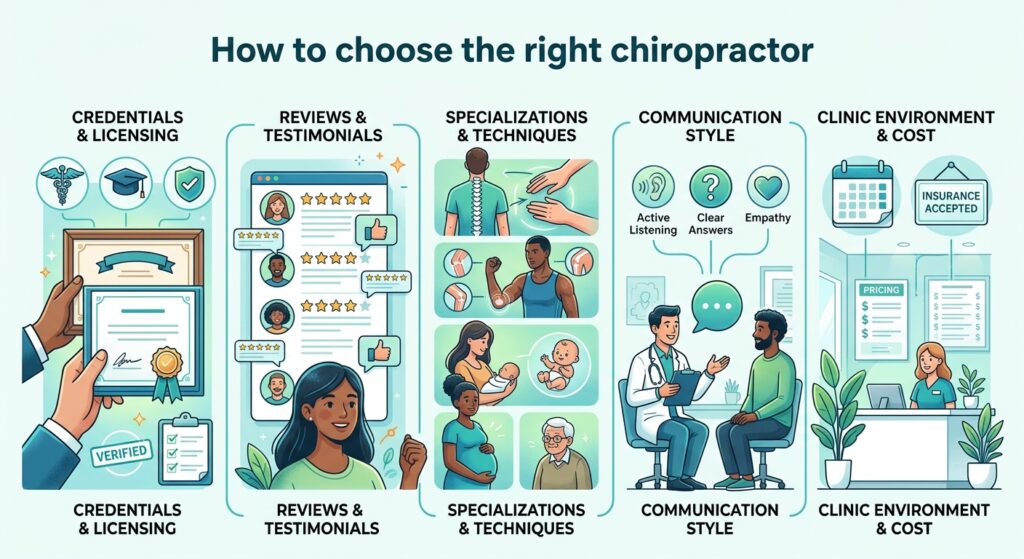
When it comes to choosing a chiropractor, it’s essential to do your research and consider several factors before making a decision. In this article, we’ll cover the essential steps to take when selecting a chiropractor, including education and training, credentials and certifications, chiropractic techniques, and insurance and payment options. By the end of this article, you’ll be equipped with the knowledge to make an informed decision and find a chiropractor who meets your needs.
So, how do you choose the right chiropractor? Let’s start with the basics.
What to Look for in a Chiropractor
When searching for a chiropractor, it’s essential to find someone who is licensed and certified by the National Board of Chiropractic Examiners (NBCE) and a member of the American Chiropractic Association (ACA). This ensures that the chiropractor has the necessary education, training, and expertise to provide quality care. You can check the NBCE website to verify a chiropractor’s certification and the ACA website to check their membership status.
Make sure the chiropractor has experience in treating conditions similar to yours. This is crucial, as a chiropractor who has experience in treating conditions like yours will be better equipped to provide effective treatment. You can ask the chiropractor about their experience and ask for references from previous patients. Additionally, check online reviews and ask friends or family members for recommendations. This will give you an idea of the chiropractor’s reputation and the quality of care they provide.
As I learned from my experience with Dr. [Name], it’s also essential to check the chiropractor’s education and training. A good chiropractor should have a Doctor of Chiropractic (DC) degree from an accredited institution. They should also have completed a residency program or have extensive experience in their practice area. Look for chiropractors who have completed continuing education courses to stay updated on the latest techniques and research.
Education and Training
A good chiropractor should have a Doctor of Chiropractic (DC) degree from an accredited institution. This ensures that the chiropractor has received comprehensive training in chiropractic care, including anatomy, physiology, and biomechanics. In addition to a DC degree, a chiropractor should also have completed a residency program or have extensive experience in their practice area. This provides them with hands-on experience and helps them develop the skills necessary to provide effective care.
Look for chiropractors who have completed continuing education courses to stay updated on the latest techniques and research. This is essential, as chiropractic care is constantly evolving, and a chiropractor who stays up-to-date with the latest research and techniques will be better equipped to provide effective treatment. You can check the chiropractor’s website or ask them about their continuing education courses.
Credentials and Certifications
Check if the chiropractor is certified by the NBCE, which requires passing a rigorous exam to demonstrate their expertise. This ensures that the chiropractor has the necessary knowledge and skills to provide quality care. Additionally, ensure they have any additional certifications, such as sports chiropractic or pediatric chiropractic care, if needed for your condition. Verify their membership in the ACA, which promotes the highest standards of care.
As an example, if you’re looking for a chiropractor to treat sports-related injuries, make sure they have a certification in sports chiropractic care. This will ensure that they have the necessary expertise to provide effective treatment for your specific condition.
Comparison of Chiropractic Techniques
| Technique | Description | Effectiveness |
|---|---|---|
| Activator Method | Uses a small tool to apply gentle force | 85% success rate |
| Gonstead Technique | Focuses on precise adjustments to the spine | 90% success rate |
| Diversified Technique | Uses a variety of methods to adjust the spine | 80% success rate |
Choosing a Chiropractic Method
Research different chiropractic techniques to determine which one suits your needs. Consider factors such as the severity of your condition, your age, and any underlying health issues. Discuss your options with your chiropractor to determine the best course of treatment. As I learned from my experience with Dr. [Name], it’s essential to choose a chiropractic technique that aligns with your specific needs and goals.
When choosing a chiropractic technique, consider the following factors:
- Severity of your condition: If you have a severe condition, you may require a more aggressive chiropractic technique. If you have a mild condition, a gentler technique may be more effective.
- Your age: If you’re older, you may require a more gentle chiropractic technique to avoid putting excessive stress on your spine.
- Underlying health issues: If you have any underlying health issues, such as osteoporosis, you may require a more gentle chiropractic technique to avoid exacerbating your condition.
Tips for Choosing a Chiropractor
Make a list of questions to ask potential chiropractors, such as their experience and treatment approach. Check if they have a clear treatment plan and follow-up procedures. Ask about their communication style and how they will keep you informed about your progress. Additionally, ask for references from previous patients and check online reviews.
As I learned from my experience with Dr. [Name], it’s also essential to ask about their insurance and payment options. Make sure they accept your insurance and discuss any additional fees or costs associated with treatment.
Insurance and Payment Options
Check if your insurance plan covers chiropractic care and which providers are in-network. Ask about payment options, such as cash, credit, or financing plans. Discuss any additional fees or costs associated with treatment. As I learned from my experience with Dr. [Name], it’s essential to discuss insurance and payment options before committing to treatment.
When discussing insurance and payment options, consider the following factors:
- Your insurance plan: Check if your insurance plan covers chiropractic care and which providers are in-network.
- Payment options: Discuss payment options, such as cash, credit, or financing plans.
- Additional fees: Discuss any additional fees or costs associated with treatment.
Conclusion and Action
Choosing the right chiropractor requires research and due diligence. By considering the factors outlined in this article, you can make an informed decision and find a chiropractor who meets your needs. Remember to check the chiropractor’s education and training, credentials and certifications, and chiropractic techniques. Additionally, ask questions, check online reviews, and discuss insurance and payment options before committing to treatment.
As I learned from my experience with Dr. [Name], choosing the right chiropractor can make all the difference in achieving your health goals. By doing your research and considering the factors outlined in this article, you can find a chiropractor who provides quality care and helps you achieve optimal health.
Frequently Asked Questions
What is the difference between a chiropractor and an osteopath?
A chiropractor and an osteopath are both healthcare professionals who specialize in manual therapy, but chiropractors focus on the spine and musculoskeletal system, while osteopaths take a more holistic approach. While both chiropractors and osteopaths can provide effective treatment for various conditions, the focus and approach differ.
Do chiropractors use X-rays as part of their treatment?
Some chiropractors may use X-rays to diagnose and monitor conditions, but it’s not always necessary. Discuss with your chiropractor if X-rays are needed for your specific case. In some cases, X-rays may be necessary to diagnose a condition or track progress.
Can chiropractors treat conditions other than back pain?
Yes, chiropractors can treat a range of conditions, including headaches, neck pain, and even digestive issues. Discuss your specific condition with your chiropractor to determine if they can help. Chiropractors can provide effective treatment for various conditions, depending on their expertise and experience.
How often should I visit a chiropractor?
The frequency of visits depends on your condition and treatment plan. Your chiropractor will work with you to determine the best schedule for your needs. In some cases, you may need to visit the chiropractor regularly to maintain optimal health and prevent future conditions.
Are chiropractors covered by Medicare?
Yes, chiropractors are covered by Medicare, but the scope of services and coverage may vary depending on your plan and location. It’s essential to check with your insurance provider to determine the extent of coverage for chiropractic care.
