
Stress can make you feel like you’re carrying a heavy backpack all day. It can give you headaches, make it hard to sleep, and even make you snap at people you love. But here’s the good news: you don’t have to live like that. There are simple, proven ways to manage stress and feel better fast. Whether you’re dealing with work, school, or just the busy life in League City, these tips can help you take control and protect your mental health.
Why Stress Is More Dangerous Than You Think
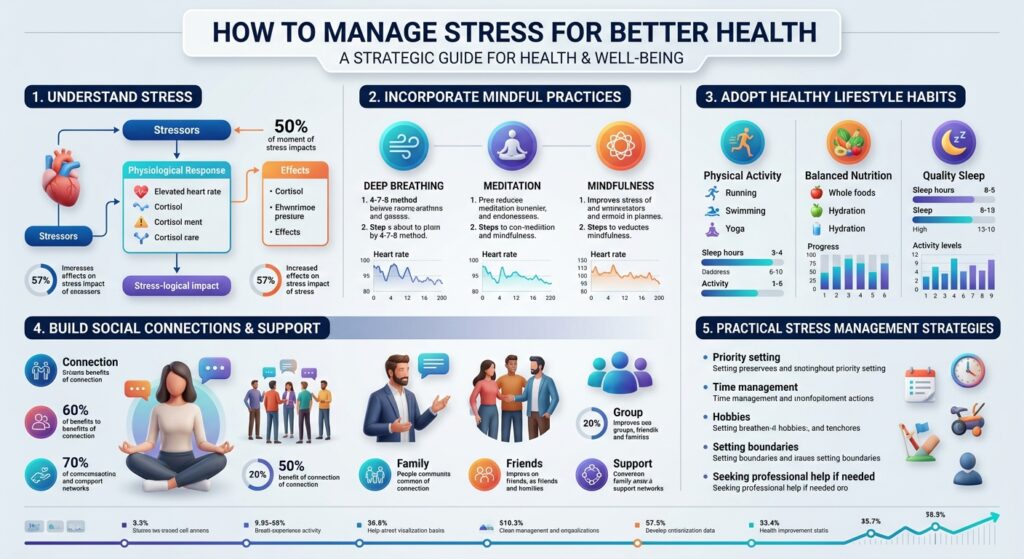
When you feel stressed, your body acts like it’s in danger. Your heart beats faster, your muscles get tight, and your brain tells you to run or fight. This is called the “fight-or-flight” response. It’s helpful if you’re in real danger, like if you see a car coming too fast. But when stress doesn’t go away, it can hurt your body.
Too much stress can cause headaches, stomachaches, and even make you feel tired all the time. It can also make it hard to think clearly or remember things. Over time, stress can lead to bigger problems like heart disease or anxiety. That’s why it’s so important to learn how to calm down and relax.
Stress doesn’t just affect your body—it affects your mood too. You might feel grumpy, sad, or worried for no reason. You might also feel like you can’t handle small problems that normally wouldn’t bother you. The good news is, there are relaxation techniques that can help you feel better right away.
One easy way to start is by working on daily stress habits. Small changes can make a big difference over time.
The 5-Minute Stress Reset: Emergency Techniques for Instant Relief
When stress hits hard, you need quick fixes that work fast. Here are some simple ways to calm down in just a few minutes.
Box breathing is a great way to slow your heart rate and clear your mind. Here’s how to do it: breathe in for 4 seconds, hold your breath for 4 seconds, breathe out for 4 seconds, and hold again for 4 seconds. Do this 3-4 times, and you’ll feel your body start to relax. It’s like hitting a reset button for your brain.
Another quick trick is the “5-4-3-2-1” method. This helps when you feel panicky or overwhelmed. Look around and name 5 things you can see, 4 things you can touch, 3 things you can hear, 2 things you can smell, and 1 thing you can taste. This simple exercise can help you feel more grounded and in control.
If you’re at work or school, try some desk-friendly stretches. Roll your shoulders, stretch your arms over your head, or twist your body gently from side to side. These small movements can help release tension in your muscles. You can also splash cold water on your face—it shocks your system and helps you feel more awake and calm.
Your gut plays a big role in overall mental health, so eating the right foods can help too. But we’ll talk more about that later.
Science-Backed Relaxation Techniques That Actually Work
Some stress-relief methods sound too good to be true, but these ones are backed by science. They really work if you give them a chance.
Mindfulness is all about paying attention to the present moment. It’s not about emptying your mind or sitting cross-legged for hours. You can practice mindfulness while eating, walking, or even brushing your teeth. Just focus on what you’re doing and how it feels. If your mind wanders, gently bring it back. It’s like training a puppy—it takes practice, but it gets easier over time.
Meditation is a little different. It’s a way to train your brain to stay calm. You can start with just 1-2 minutes a day. Sit quietly, close your eyes, and focus on your breath. When thoughts pop up, don’t judge them—just let them go and return to your breath. There are great apps that can guide you, like Headspace or Calm. Some even have special programs for people in League City.
Progressive muscle relaxation is another great technique. It helps you notice where you’re holding tension in your body. Start by tensing the muscles in your toes for 5 seconds, then relax them. Move up to your calves, thighs, stomach, and so on, all the way to your face. It’s like giving your body a massage from the inside out. This is especially helpful before bed or during a work break.
If you’re new to these techniques, don’t worry—everyone starts somewhere. I found that consistency matters more than anything else. Even 5 minutes a day can make a difference.
How to Build a Stress-Proof Lifestyle (Without Quitting Your Job)
You don’t have to change your whole life to manage stress better. Small changes can add up to big results over time. Here are some simple ways to make your daily life less stressful.
Sleep is one of the most important things for mental health. When you don’t sleep well, your body makes more stress hormones. Try to go to bed and wake up at the same time every day, even on weekends. Make your bedroom dark, quiet, and cool. Avoid screens for at least an hour before bed—read a book or listen to soft music instead. If you have trouble sleeping, there are sleep clinics in League City that can help.
What you eat can also affect how stressed you feel. Some foods can make stress worse, like sugar, caffeine, and processed snacks. Others can help you feel calmer, like fruits, vegetables, nuts, and whole grains. Drinking enough water is important too—even mild dehydration can make you feel more anxious. Try to eat regular meals and snacks to keep your energy steady throughout the day.
Your body already has a built-in detoxification process working for you, so you don’t need fancy cleanses. Just focus on eating real, whole foods and staying hydrated.
10 Daily Habits to Keep Stress Under Control
- Start your day with 5 minutes of sunlight and a big glass of water.
- Take short breaks every 90 minutes to stretch or walk around.
- Unplug from screens at least 1 hour before bed.
- Plan one fun activity each week, like a hobby or time with friends.
- Check in with yourself once a month—how are you really feeling?
- Use the “5-4-3-2-1” technique when you feel overwhelmed.
- Swap afternoon coffee for herbal tea to avoid caffeine crashes.
- Aim for 10,000 steps a day or 30 minutes of exercise.
- Go to bed and wake up at the same time every day.
- Write down 3 things you’re grateful for each night.
Movement That Melts Stress: Exercise Strategies for Every Schedule
Exercise is one of the best ways to manage stress. It helps your body burn off stress hormones and releases chemicals that make you feel happy. You don’t have to run a marathon or spend hours at the gym—even a little movement can help.
Cardio exercises like walking, running, or biking are great for stress relief. They get your heart pumping and help clear your mind. If you’re short on time, try a 20-minute workout at home. You can find lots of free videos online that don’t need any equipment. League City has some great parks and trails where you can walk or bike too. Just being outside in nature can help you feel calmer.
If you’re having a really stressful day, gentle movement might be better. Yoga is a great way to relax your body and mind. There are poses that can help you feel more grounded and calm. You don’t need to be flexible—just do what feels good. Tai chi and qigong are other gentle exercises that can help you feel more balanced. They involve slow, flowing movements that are almost like meditation in motion.
If you’re new to exercise, start small. Even a 10-minute walk can make a difference. The key is to find something you enjoy so you’ll stick with it. Most guides say to exercise for 30 minutes a day, but in my experience, that’s not always true. Even 5-10 minutes can help if you do it regularly.
Digital Detox: How to Reduce Stress from Technology Overload
Phones, computers, and TVs can make stress worse. They keep your brain busy all the time, and that can make it hard to relax. Here are some simple ways to take a break from screens and feel better.
The 20-20-20 rule is a great way to give your eyes and brain a rest. Every 20 minutes, look at something 20 feet away for 20 seconds. This helps reduce eye strain and gives your mind a quick break. You can also set boundaries with work emails. Try not to check them after a certain time, like 7 PM. This gives your brain time to unwind before bed.
Social media can also add to stress. It’s easy to compare yourself to others and feel like you’re not doing enough. Try to curate your feed so you only see things that make you feel good. Unfollow accounts that make you feel bad about yourself. You can also try a digital detox—take a break from social media for a day, a week, or even a month. You might be surprised by how much calmer you feel.
If you’re not ready to take a big break, start small. Turn off notifications for apps that aren’t important. Set aside specific times to check social media, like once in the morning and once in the evening. The rest of the time, focus on what’s happening right in front of you.
When to Seek Help: Therapy and Professional Support in League City
Sometimes, stress can feel too big to handle on your own. That’s okay—it’s a sign that you might need some extra help. Therapy can be a great way to learn new ways to manage stress and feel better.
How do you know if you need a therapist? If stress is making it hard to do your daily activities, like work or school, it might be time to get help. Other signs include feeling sad or anxious most of the time, having trouble sleeping, or feeling like you can’t control your emotions. If you’re not sure, you can take a quick online quiz from the Mayo Clinic to see if therapy might help.
There are different types of therapy, and they all work a little differently. Cognitive behavioral therapy (CBT) is one of the most common. It helps you change the way you think about and react to stress. Dialectical behavior therapy (DBT) is another type that helps you manage your emotions and improve your relationships. Eye movement desensitization and reprocessing (EMDR) is often used for people who have experienced trauma.
If you’re ready to try therapy, there are lots of great options in League City. You can ask your doctor for a recommendation, or look online for therapists who specialize in stress and anxiety. Some therapists take insurance, and others offer sliding-scale fees based on your income. There are also support groups where you can meet other people who are dealing with similar issues.
According to Stress Management – StatPearls – NCBI Bookshelf – NIH, effective techniques for stress management include behaviors that improve physical health, like nutrition and exercise, as well as strategies that improve cognitive and emotional functioning. Therapy can help with both of these areas.
Stress Management Techniques Compared: Which One Is Right for You?
There are lots of ways to manage stress, and what works for one person might not work for another. Here’s a quick comparison to help you find the best techniques for you.
| Technique | Effectiveness (1-10) | Time Required | Cost | Best For |
|---|---|---|---|---|
| Deep Breathing | 9 | 2-5 min | Free | Immediate relief |
| Yoga | 8 | 20-60 min | $10-$20/class | Long-term flexibility & calm |
| Therapy (CBT) | 10 | 50 min/week | $100-$200/session | Chronic stress or trauma |
| Journaling | 7 | 10-30 min | Free-$20 | Emotional processing |
| Nature Walks | 8 | 30+ min | Free | Overthinking and burnout |
How to Help a Loved One Who’s Stressed (Without Burning Out Yourself)
When someone you care about is stressed, it’s natural to want to help. But it’s important to take care of yourself too. Here are some ways to support your loved one without getting overwhelmed.
First, listen. Sometimes, people just need to vent and feel heard. You don’t have to fix their problems—just let them know you’re there for them. Use phrases like “That sounds really hard” or “I’m here for you.” Avoid saying things like “Just relax” or “It’s not a big deal.” These can make the person feel like you’re not taking their stress seriously.
You can also help by doing small things, like bringing them a meal or offering to run errands. If they’re open to it, suggest some stress-relief activities you can do together, like going for a walk or watching a funny movie. Laughter can be a great way to reduce stress.
It’s important to set boundaries too. You can’t help someone else if you’re feeling stressed and overwhelmed yourself. Make sure you’re taking time for your own self-care. If you start to feel like you’re taking on their stress, it might be time to step back. Encourage them to seek professional help if they need it, but don’t try to be their therapist.
A study from 11 Healthy Ways to Handle Life’s Stressors found that reframing your thinking can help with stress and anxiety. This is something you can gently encourage your loved one to try. For example, instead of thinking “I can’t handle this,” they could try “This is hard, but I can take it one step at a time.”
Stress Management for Parents: Keeping Your Cool in Chaos
Being a parent is one of the most rewarding jobs in the world, but it can also be one of the most stressful. Here are some ways to manage stress and keep your cool, even on the toughest days.
One quick trick is the “parent timeout.” When you feel like you’re about to lose your temper, take a deep breath and count to 10. If you can, step away for a minute to calm down. This gives you time to respond instead of react. You can also create a “calm-down corner” in your home. This is a quiet space where you or your kids can go to relax. Fill it with things that help you feel calm, like books, stuffed animals, or soft blankets.
Long-term, try time-blocking to make your day more manageable. Write down everything you need to do, then assign each task to a specific time. This can help you feel more in control and less overwhelmed. Don’t forget to schedule time for yourself too—even if it’s just 10 minutes to read or take a bath.
League City has lots of resources for parents. There are support groups where you can meet other parents and share tips. Some libraries and community centers offer free workshops on stress management and parenting. You can also find online groups if you prefer to connect from home.
Final Thoughts: Your Stress-Free Life Starts Now
Stress doesn’t have to control your life. With the right tools and a little practice, you can learn to manage stress and feel better every day. Start small—pick one or two techniques that feel doable and build from there. Maybe it’s taking a few deep breaths when you feel overwhelmed, or going for a walk after dinner. Whatever you choose, be patient with yourself. It takes time to build new habits.
Remember, you’re not alone. There are people in League City who can help, from therapists to support groups to friends and family. Don’t be afraid to reach out if you need it. The most important thing is to take care of yourself, because you deserve to feel happy and healthy.
Frequently Asked Questions
How long does it take to see results from stress management techniques?
Some techniques, like deep breathing, can help you feel better right away. Others, like meditation or exercise, take a little longer to show results. Most people start to notice a difference after a few weeks of regular practice. The key is to keep going, even if you don’t see results right away. According to Managing Stress | Mental Health – CDC, getting enough sleep and moving more can improve your emotional well-being over time.
Can stress cause weight gain?
Yes, stress can make you gain weight. When you’re stressed, your body makes a hormone called cortisol. Too much cortisol can make you crave unhealthy foods and store fat, especially around your belly. Stress can also make it harder to sleep, and lack of sleep can lead to weight gain too. The good news is, eating healthy foods and getting regular exercise can help you break the stress-eating cycle.
What’s the best stress management technique for someone with a busy schedule?
If you’re short on time, try micro-practices that you can do throughout the day. For example, take a few deep breaths before a meeting, or stretch for a minute while you’re waiting for your coffee to brew. You can also “stack” stress relief into habits you already have, like doing a quick meditation while you brush your teeth. Even small moments of calm can add up over time.
Are there any free stress management resources in League City?
Yes! League City has lots of free resources to help you manage stress. The local library offers free books, audiobooks, and even classes on stress relief. There are also parks and trails where you can walk or bike for free. Some community centers offer free or low-cost workshops on topics like mindfulness and meditation. You can also find free apps and online tools to help you relax and unwind.
How do I know if my stress is “normal” or a sign of something more serious?
Everyone feels stressed sometimes, but if stress is making it hard to do your daily activities, it might be a sign of something more serious. Other red flags include feeling sad or anxious most of the time, having trouble sleeping, or feeling like you can’t control your emotions. If you’re not sure, you can take a quick online quiz from the Mayo Clinic to see if you should talk to a doctor. It’s always better to be safe and get help if you need it.
