
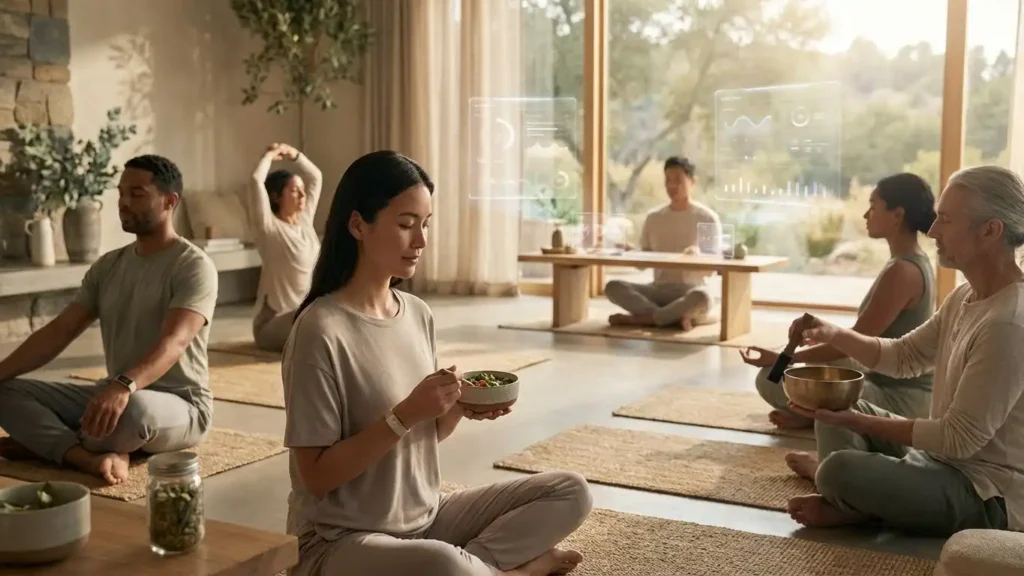
Life feels fast right now. Many of us feel tired, stressed, and out of balance. I see it in friends, family, and even in myself on busy weeks. That’s why more people are turning toward a better way to feel well. Not quick fixes. Just real, steady care for the whole body and mind.
Holistic wellness means caring for your body, mind, and daily life together. It looks at how you eat, move, rest, think, and handle stress. Instead of fixing one problem at a time, it helps you feel better as a whole person.
What “Holistic Wellness” Really Means in 2026
In 2026, holistic wellness is not about doing more things. It is about doing the right things that fit your life. It means caring for your body, your mind, and your daily habits at the same time. Not one by one. All together.
Many people think holistic wellness is only yoga or green drinks. Honestly, that idea is old now. Today, it is about how you sleep, how you eat, how you move, how you think, and how you handle stress. All these parts work together.
I learned this the hard way. A few years ago, I ate “healthy” and worked out often, but I still felt tired and short-tempered. The funny part is, I thought I was doing everything right. What I missed was rest and stress care. Once I fixed my sleep and daily routine, my energy slowly came back. That’s when holistic wellness finally made sense to me.
Modern holistic wellness also respects mental health. Your thoughts and feelings matter just as much as your body. If your mind feels heavy, your body often follows. That’s why simple habits like quiet time, slow breathing, and clear routines are part of wellness now. According to the World Health Organization (WHO), health is not just about avoiding illness. It includes physical, mental, and social well-being, which closely matches how holistic wellness is defined today.
Another big change is personalized wellness. What works for one person may not work for you. Your age, job, stress level, and daily life all matter. In my experience, people feel better when they stop copying others and start listening to their own body.
At its core, holistic wellness in 2026 is gentle but steady. No extreme rules. No pressure to be perfect. Just small, smart choices that help you feel good most days. Have you noticed how your body reacts when life feels calmer?
Top Holistic Wellness Trends for 2026
Trend #1: Personalized Wellness Plans Over One-Size-Fits-All
Why One-Size Wellness No Longer Works
For a long time, wellness advice sounded the same for everyone. Eat this. Do that workout. Follow this routine. But in 2026, people are finally saying, “This does not work for me.” And honestly, they are right.
Holistic wellness now understands one simple truth. Every person lives a different life. Your job, sleep, stress, food habits, and daily routine are not the same as mine. So your wellness plan should not be the same either.
I’ve seen many people feel stuck because they tried to follow plans made for someone else. They worked hard but still felt tired or stressed. That frustration pushed this big shift toward personalized wellness.
What Personalized Wellness Really Means
Personalized wellness means your wellness plan fits your real life. Not an ideal life. Your real one.
It looks at how you sleep, how much stress you carry, how active you are, and what support you need. Instead of forcing big changes, it starts with small steps that feel possible.
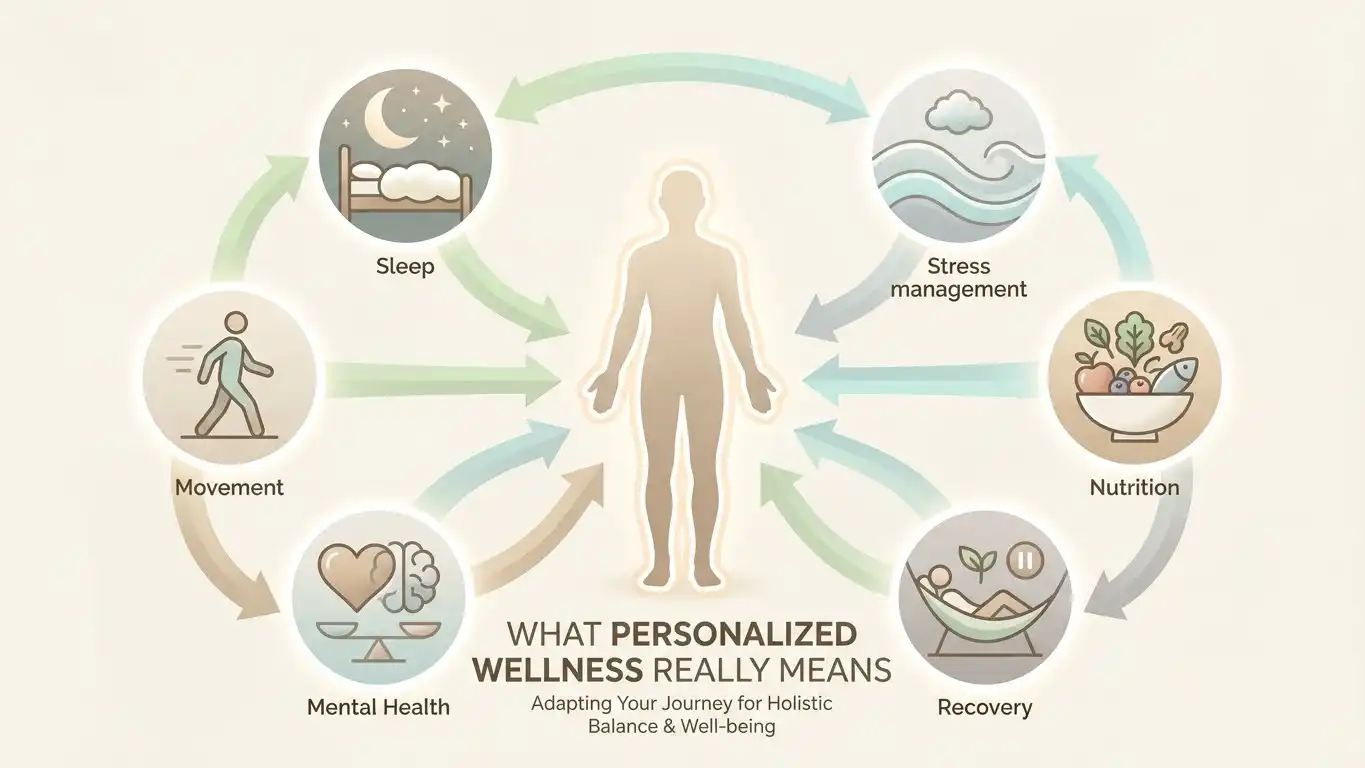
This approach does not chase fast results. It focuses on steady progress. When a plan matches your daily life, you are more likely to stick with it. And when you stick with it, real change happens.
Listening to the Body Instead of Fighting It
One big reason personalized plans work is simple. They teach people to listen to their bodies.
Your body gives signs all the time. Low energy. Poor sleep. Tension. Mood swings. These signs are not random. They are messages.
Modern holistic wellness plans help people notice these signs early. Instead of pushing harder, they adjust. Maybe more rest is needed. Maybe stress care matters more than exercise right now. That flexibility makes a big difference.
From what I’ve seen, people feel more calm when they stop fighting their body and start working with it.
Mental Health Is Part of Personalization
Personalized wellness is not only about food or movement. Mental health plays a huge role.
Some people feel stress in their chest. Others feel it in their stomach or sleep. A good wellness plan notices these patterns. It does not ignore emotions or push them aside.
In 2026, personalized plans often include simple mental care habits. Quiet time. Clear routines. Small breaks during the day. These habits may look simple, but they support the whole system.
Wellness feels lighter when the mind feels supported.
Why Small Changes Matter More Than Big Promises
Another reason personalized wellness is growing is that it feels realistic. Big promises sound exciting, but they rarely last.
Small changes are easier to keep. A short walk. A better bedtime. A calmer morning routine. These small steps build trust. When people see progress, they feel motivated to continue.
In my opinion, this is where personalized wellness truly shines. It removes pressure. It meets people where they are, not where they “should” be.
The Future of Wellness Feels More Human
This trend shows that wellness is becoming more human. Fewer rules. Less shame. More care.
People want plans that respect their limits and support their strengths. They want guidance that feels kind, not strict. And that is exactly why personalized wellness is leading the way in 2026.
If wellness feels doable, people stay with it. And staying with it is what really changes lives.
Trend #2: Mental and Emotional Health as a Wellness Foundation
Why Mental Health Sits at the Center of Wellness
In 2026, mental health is no longer treated as a side topic. It is now seen as the base of holistic wellness. When the mind feels heavy, the body often feels tired too. Many people are starting to notice this connection in daily life.
Stress, worry, and poor rest slowly drain energy. Even if you eat well and move your body, progress feels hard when your mind is not supported. That is why emotional care is now part of everyday wellness, not something saved for “bad times.”
How Emotional Health Affects the Body
Your mind and body talk to each other all day. When stress stays high, the body stays tense. Sleep gets lighter. Focus drops. Small problems feel bigger.
People are now learning that caring for emotions helps the body heal better. This shift is a big reason holistic wellness feels more complete today.
Common signs emotional health needs care include:
- Feeling tired even after rest
- Trouble sleeping or waking often
- Tight shoulders, neck, or jaw
- Short patience or quick mood changes
These signs are not a weakness. They are signals asking for support.
Simple Mental Wellness Practices People Are Using
Mental wellness in 2026 is not complicated. It is built into normal days.
Many people use:
- Short quiet moments in the morning
- Slow breathing during breaks
- Clear start and end times for work
- Simple routines to calm the nervous system
These habits help the mind feel safe and steady. When the mind feels calm, the body often follows.
Mental Health as Part of Personalized Wellness
Mental care works best when it fits the person. This is where personalized wellness matters again. One person may relax with movement. Another may need stillness. Some need social time. Others need space.
There is no single right way. Wellness feels better when people choose what supports them instead of copying others.
How Mental Wellness Supports Long-Term Health
When emotional health is supported, people often notice:
- Better sleep
- More steady energy
- Clear thinking
- Better mood during the day
This makes it easier to keep other wellness habits going. Mental care supports the whole system.
Mental Wellness vs Physical Wellness: How They Work Together
| Mental Wellness Support | Physical Wellness Effect |
| Calm breathing | Lower body tension |
| Better sleep routines | More daily energy |
| Stress awareness | Fewer aches and pains |
| Emotional balance | Stronger focus and drive |
This table shows why mental care is now a core part of holistic wellness, not an extra step.
Mental and emotional health are not about fixing yourself. They are about supporting yourself. When that support is steady, wellness becomes easier to keep.
Have you noticed how your body feels on calm days versus stressful ones?
Trend #3: Lifestyle Coaching Instead of Quick Fixes
Why Quick Fixes Are Losing Trust
Many people are tired of fast promises. Drink this. Try that. Change everything in one week. The truth is, quick fixes often fail because real life is messy.
In 2026, holistic wellness is moving away from pressure and speed. People want changes they can keep, not plans that burn them out. This is where lifestyle coaching is growing fast.
Lifestyle coaching focuses on daily life, not extreme rules. It helps people build habits that feel possible, even on busy days.
What Lifestyle Coaching Really Focuses On
Lifestyle coaching looks at the full picture. Not just food or exercise. It looks at how you live.
It often supports:
- Daily routines that feel calm
- Better sleep habits
- Simple movement that fits your energy
- Stress care that works in real life
- Clear goals without pressure
This approach fits naturally with personalized wellness because it adapts to each person’s life.
Why Coaching Works Better Than Advice Alone
Advice is easy to find. Support is harder to get.
Coaching helps because it offers:
- Guidance instead of orders
- Support instead of judgment
- Progress instead of perfection
Many people know what they “should” do. Coaching helps them actually do it. That steady support builds trust and confidence over time.
Lifestyle Coaching and Mental Health
Lifestyle coaching also supports mental health. When life feels rushed, stress grows fast. Coaching helps slow things down.
Common areas coaching helps with:
- Setting healthy boundaries
- Creating simple daily structure
- Noticing stress signs early
- Building habits that calm the mind
These small shifts often improve focus, sleep, and mood without forcing big changes.
Small Steps That Create Long-Term Wellness
One of the strongest parts of lifestyle coaching is how it uses small steps.
Instead of changing everything at once, it focuses on:
- One habit at a time
- Simple actions that feel doable
- Gentle progress over weeks, not days
This helps people stay consistent. And consistency is what makes holistic wellness last.
Why This Trend Is Growing in 2026
People want wellness that fits real life. Jobs, families, stress, and time limits are real. Lifestyle coaching respects that.
It does not promise fast results. It promises steady support. From what I see, this makes wellness feel safer and more human.
When wellness feels supportive instead of strict, people stay with it. And staying with it is what creates real change.
Trend #4: Integrative Approaches That Fit Real Life
What Integrative Wellness Means Today
In 2026, integrative wellness means bringing different parts of health together in a simple way. It does not mean adding more tasks to your day. It means making daily life work better for your body and mind.
This approach connects food, movement, rest, stress care, and mindset. Instead of treating these as separate things, integrative wellness treats them as one system. When one part feels off, the others often feel it too.
That idea is now central to holistic wellness.
Blending Daily Habits Instead of Isolated Fixes
Many people used to focus on one thing at a time. Exercise only. Diet only. Sleep only. But this often led to frustration.
Integrative wellness blends habits gently. A short walk can help mood. Better sleep can help with food choices. Lower stress can improve energy. These links are simple, but powerful.
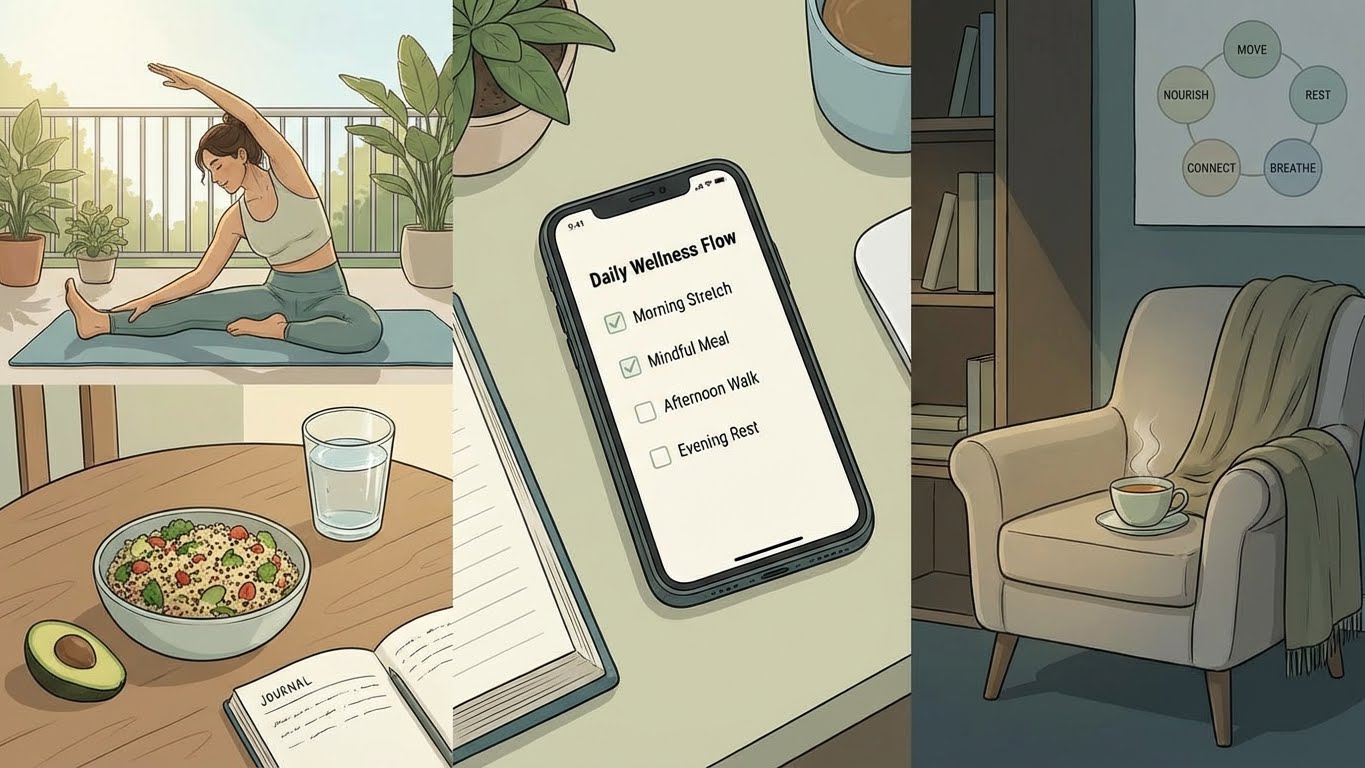
This is why integrative care feels easier to follow. You are not fixing problems in pieces. You are supporting your whole day in a balanced way.
Why Integrative Wellness Feels More Realistic
One big reason this trend is growing is that it fits real life. People are busy. They do not want plans that feel strict or heavy.
Integrative wellness allows flexibility. If one habit slips, the system still holds. You are not starting over every time life gets busy. That removes a lot of pressure.
From what I see, this flexibility helps people stay calm and steady instead of feeling guilty or stuck.
The Role of Mental Health in Integration
Mental health plays a key role in integrative wellness. Stress affects sleep. Poor sleep affects mood. Low mood affects motivation. Everything connects.
Instead of ignoring these links, integrative wellness works with them. It supports emotional balance alongside physical care. This helps people feel more stable and focused during the day.
When mental care is included, wellness stops feeling forced.
How Integrative Wellness Supports Long-Term Health
Integrative approaches support long-term change because they build balance. No extreme rules. No all-or-nothing thinking.
People learn how habits support each other. Over time, this creates trust in the process. Wellness becomes part of life, not a separate project.
In 2026, holistic wellness is not about doing more. It is about connecting what already exists in a smarter way. When life feels connected instead of divided, wellness feels easier to keep.
Final Thoughts
Holistic wellness in 2026 feels more human than ever. It is not about being perfect or following strict rules. It is about small choices that support your body, mind, and daily life together.
When wellness fits real life, it becomes easier to keep. Simple habits, steady care, and self-awareness go a long way. In my experience, the goal is not to change everything, but to feel better step by step.
Wellness is a journey, not a race. Start where you are, move at your own pace, and choose what truly supports you.
Ready to Start Your Wellness Journey?
If you’re looking for calm, balance, and real support, help is closer than you think. Just Live Well offers holistic wellness services in Texas, focused on simple habits, personal care, and long-term well-being.
You don’t have to do this alone. Take the first small step today and see what support can feel like.
FAQs About Holistic Wellness in 2026
What is holistic wellness in simple words?
Holistic wellness means caring for your whole self, not just one part. It looks at your body, mind, habits, and daily life together. Instead of fixing one problem, it helps you feel better overall. Many people like this approach because it feels gentle and realistic.
Is holistic wellness only about food and exercise?
No, it is much more than that. Food and movement matter, but so do sleep, stress, thoughts, and daily routines. Mental health is a big part of holistic wellness now. If your mind feels tired or stressed, your body often feels it too. Wellness works best when all parts are supported.
How is holistic wellness different from regular health plans?
Regular plans often focus on one thing, like weight or fitness. Holistic wellness looks at the full picture. It asks how you live, rest, work, and relax. This is why personalized wellness is so important. What works for one person may not work for another, and that is okay.
Do I need to change my whole life to start holistic wellness?
No, and this is a common worry. Holistic wellness is not about big changes all at once. It usually starts with small steps. A better bedtime. A calmer morning. A short walk. These small changes add up over time and feel easier to keep.
How long does it take to feel results from holistic wellness?
This depends on the person. Some people feel small changes quickly, like better sleep or calmer moods. Other changes take more time. Holistic wellness focuses on steady progress, not speed. The goal is long-term balance, not fast results that fade.
