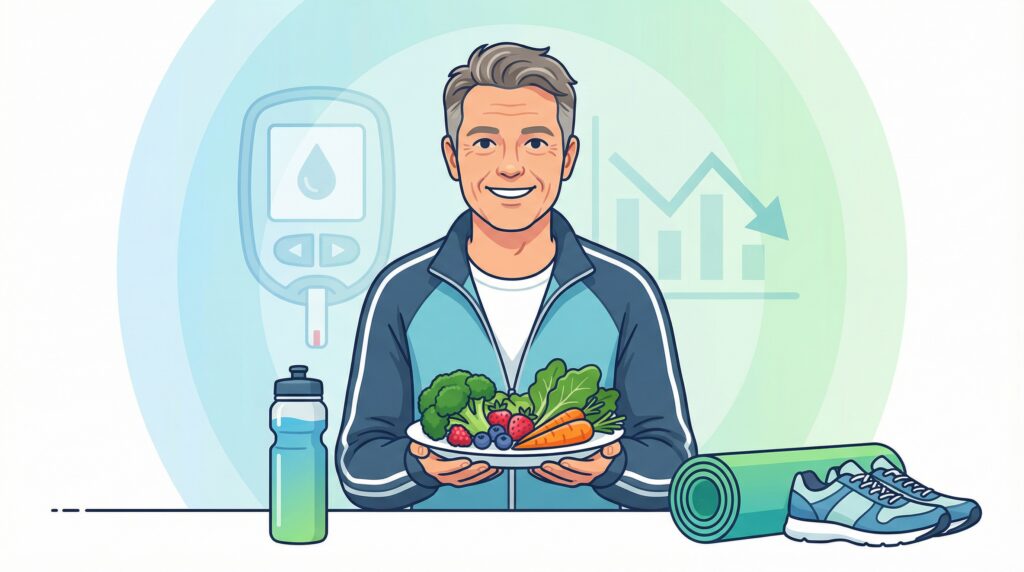
I remember when my friend Tom got his diabetes diagnosis. He looked at me with worried eyes and asked, “Is this it? Will I be on pills forever?” I told him something that changed everything for him. No, he didn’t have to accept it as his forever reality. Many people are putting their type 2 diabetes into remission.
Here’s the truth. You can’t cure diabetes completely. But you can push it back so far that you don’t need medicine anymore. Your blood sugar levels stay normal. You feel better. You have more energy. It’s not magic, but it’s pretty close.
The key? Losing weight and changing how you eat and move. Simple, yes. Easy? Not always. But thousands of people are doing it right now.
What Does Diabetes Remission Really Mean?
Remission vs. Cure – Know the Difference
Let me be clear about this because it confuses a lot of people.
When doctors say remission, they mean your blood sugar stays in the normal range without taking diabetes medication. Your A1C level drops below 6.5%. You’re not using pills or shots. Your body is working the way it should.
But here’s the catch. Type 2 diabetes doesn’t disappear forever. It’s still there, waiting. If you go back to old habits, it can come back. Think of it like keeping a door shut. You have to keep pushing against it.
How Remission Changes Your Life
I’ve seen what happens when people reach remission. They stop worrying about their next doctor visit. They eat dinner without calculating numbers. They feel like themselves again.
My cousin Sarah put her diabetes into remission two years ago. She told me the best part wasn’t even the weight loss. It was waking up without that heavy feeling of being sick. She has more energy to play with her kids. Her doctor visits are shorter now.
The benefits go deep. You lower your risk of heart disease, kidney problems, and nerve damage. You might even save money on insurance because some companies give better rates when your diabetes is controlled.
How Does Type 2 Diabetes Reversal Work?
Fat Buildup in Your Liver and Pancreas
Your body stores extra fat in strange places. Not just around your belly. It goes inside your liver and pancreas too.
This fat stops these organs from doing their job. Your pancreas makes insulin, the hormone that controls blood sugar. When fat surrounds it, the pancreas can’t work right. Same with your liver. It gets clogged up.
Think of it like trying to run with heavy bags on your back. Your organs slow down. They get tired. They start making mistakes.
Research shows that when you lose weight, this fat melts away first. Your organs breathe again. They start working better. The beta cells in your pancreas wake up and make insulin like they used to.
How Weight Loss Helps Your Body Heal
Here’s something amazing. When you lose enough weight, your body can fix itself.
Studies from WebMD found that people who lost 30 pounds or more saw their diabetes reverse. Their cells started responding to insulin again. Blood sugar dropped.
I saw this with my neighbor Mike. He lost 35 pounds over eight months. His doctor cut his medication in half after three months. By month eight, he was off everything. He still checks his blood sugar, but it stays normal now.
The science is simple. Less weight means less fat around your organs. Less fat means better insulin response. Better insulin response means normal blood sugar.
Weight Loss – The Key to Reversing Diabetes
How Much Weight Do You Need to Lose?
You don’t need to lose 100 pounds. You don’t need to look like a fitness model.
Most people need to lose between 5% to 10% of their body weight. If you weigh 200 pounds, that’s just 10 to 20 pounds. That’s it.
The famous DiRECT study by Diabetes UK showed that people who lost around 15 kilograms (33 pounds) had the best results. Nearly half of them put their diabetes into remission.
But even smaller amounts help. My friend Lisa lost 12 pounds and saw her blood sugar improve. She’s not in full remission yet, but her numbers are better than they’ve been in years.
According to Centers for Disease Control and Prevention (CDC), losing just 5-7% of your weight can prevent diabetes if you have prediabetes.
Why Early Action Matters Most
Here’s something they don’t tell you enough. The sooner you act, the better your chances.
If you were diagnosed recently – less than six years ago – your odds of remission are much higher. Your pancreas hasn’t been damaged too much yet. Those insulin-making cells can still recover.
But even if you’ve had diabetes for decades, don’t give up. I know people who reached remission 10 years after diagnosis. It’s harder, yes. But not impossible.
The key is starting now. Not next month. Not after the holidays. Today.
Diet Changes That Put Diabetes into Remission
Low-Calorie Diets That Work
Some people use very low-calorie diets to push their diabetes back fast. We’re talking about 625 to 850 calories per day. That’s basically two small meals.
Studies in England tested this approach. People ate mostly liquid meals for 2 to 5 months. Then they slowly added normal food back. Nearly half of them reversed their diabetes.
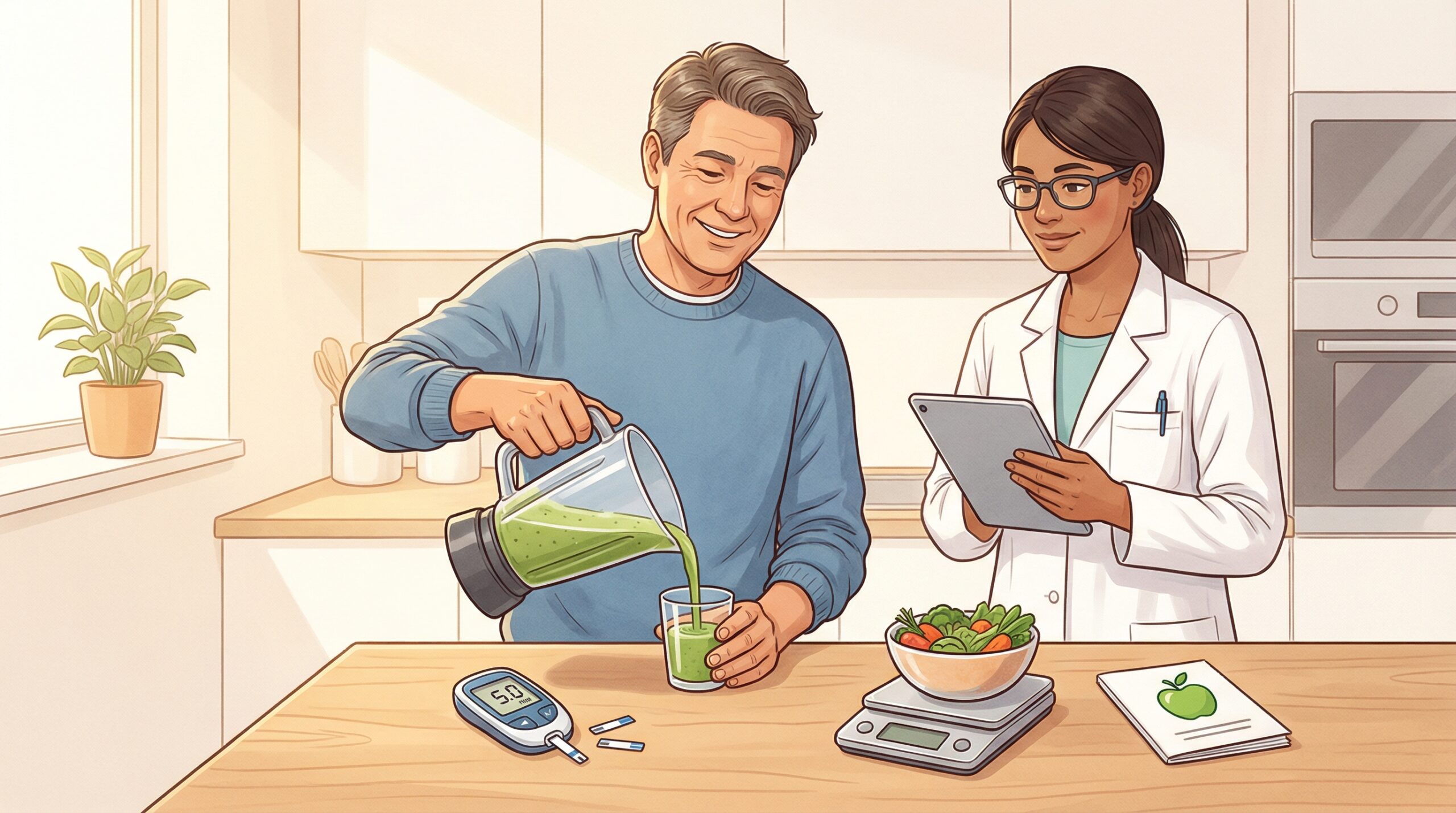
This isn’t something you do alone. You need a doctor or dietitian watching over you. It’s extreme. Your body goes through big changes. But for some people, it works incredibly well.
My uncle tried this under his doctor’s care. He was strict for three months. He lost 28 pounds. His blood sugar went from dangerously high to completely normal. He’s been in remission for 18 months now.
Foods to Eat and Foods to Avoid
You don’t have to starve yourself. You just have to be smart about what you eat.
Fill half your plate with vegetables. Green ones, colorful ones, any kind you like. Add a quarter plate of lean protein – chicken, fish, beans, tofu. The last quarter should be whole grains like brown rice or oats.
Cut out the obvious stuff: sugary drinks, cookies, white bread, candy. These spike your blood sugar fast.
But also watch out for surprise carbs. Regular pasta, white rice, even too much fruit can push your blood sugar up. A low-carb diet helps many people control their glucose better.
According to Stony Brook Medicine, eating plenty of fiber and healthy fats while limiting refined sugars helps balance blood sugar naturally.
I keep it simple. I ask myself: “Did this food exist 100 years ago?” If the answer is yes, I probably can eat it. If it came from a factory with 20 ingredients I can’t pronounce, I skip it.
Exercise and Physical Activity for Diabetes Reversal
How Exercise Lowers Blood Sugar
Your muscles are hungry. When you move them, they eat up sugar from your blood.
That’s the basic idea. Physical activity makes your cells grab glucose and use it for energy. Your blood sugar drops. Your body becomes more sensitive to insulin.
Even a short walk after dinner helps. I started walking 20 minutes every evening. Within two weeks, my after-dinner blood sugar was lower. My doctor noticed. I noticed.
Research shows that combining exercise with diet works better than either one alone. One study had people aim for 10,000 steps daily and at least 2.5 hours of moderate exercise weekly. They also cut 500-750 calories per day. More than half reached near-normal blood sugar without medicine.
Simple Ways to Start Moving More
You don’t need a gym membership. You don’t need expensive equipment.
Start with what you can do. Walk around your block. Take the stairs instead of the elevator. Park farther away from the store. Dance while cooking dinner. It all counts.
My friend Jack hates exercise. Hates it. So he got a dog. Now he walks that dog twice a day. He doesn’t think of it as exercise. But he’s moving 40 minutes daily. His diabetes improved.
Try to get 30 to 60 minutes of moderate activity most days. That could be brisk walking, swimming, biking, even gardening. Add some strength training twice a week – yoga, lifting light weights, push-ups.
The best exercise is the one you’ll actually do. Find something you don’t hate. Then do it regularly.
Medical Options for Reversing Type 2 Diabetes
Bariatric Surgery – Is It Right for You?
Some people choose weight loss surgery. It’s a big step, but the results can be dramatic.
Bariatric surgery changes your stomach and digestive system. You can’t eat as much. Your body absorbs food differently. Most people lose significant weight.
According to research, upwards of 75% of people who get this surgery see their diabetes reverse. Gastric bypass and gastric sleeve work better long-term than gastric banding.
But it’s not for everyone. Doctors usually recommend it if your BMI is at least 35 and you have diabetes. It works best for people diagnosed within the last 5 years who aren’t on insulin yet.
There are risks. It’s surgery. You need to change how you eat forever. But for people who qualify, it can be life-changing.
Medications That Help with Weight Loss
New medications can help you lose weight while controlling blood sugar.
Drugs like metformin help your body use insulin better. Some newer medicines help you feel full longer and lose weight. Your doctor might use these along with diet and exercise.
These aren’t magic pills. You still need to eat better and move more. But they can make it easier. They can help you get over the first hard months when nothing seems to work.
Talk to your healthcare provider about which medicines might help you. Everyone’s body is different. What works for your neighbor might not work for you.
Who Can Reverse Their Type 2 Diabetes?
Best Candidates for Diabetes Remission
Some people have a better shot at remission than others. Here’s who has the best odds:
You were diagnosed less than six years ago. You’re overweight or obese and can lose weight. You don’t have serious complications yet – no heart attacks, strokes, or kidney damage. You’re not on insulin. You can work with a diabetes care team.
According to Diabetes Canada guidelines, these factors make remission more likely. But they’re not requirements. They’re just helpful.
My neighbor Ruth didn’t fit all these. She’d had diabetes for 8 years. But she lost 42 pounds through hard work. She reached remission anyway. She proved that determination matters more than perfect conditions.
When Reversal Might Be Harder
Some situations make remission tougher. If you’ve had diabetes for many years, your pancreas might be too damaged. If you’re already on insulin, getting off it is harder (but not impossible).
People with eating disorders or certain mental health conditions need extra support. You can’t do extreme diets if they trigger unhealthy behaviors.
If you’ve already had a heart attack or stroke, you need to be more careful with big diet changes. Your doctor will guide you.
But here’s the thing. Even if you can’t reach full remission, you can still improve. Lower blood sugar is better than high blood sugar. Less medication is better than more medication. Every step forward counts.
What Doesn’t Work – Avoid These Diabetes “Cures”
Fake Products and False Claims
The internet is full of liars selling miracle cures. Don’t fall for them.
Pills claiming to cure diabetes overnight. Supplements with secret ingredients. Special teas that fix everything. The FDA warns that many of these products are dangerous.
Some contain hidden prescription drugs. Others do nothing at all except empty your wallet. A few can actually hurt you.

I saw my aunt waste $300 on some “all-natural” supplement from a website. It didn’t help. She could have used that money for healthy food or a gym membership.
If something sounds too good to be true, it is. Real diabetes reversal takes work. It takes time. There are no shortcuts.
Why You Need Medical Guidance
Don’t try to reverse diabetes alone. You need professional help.
Your doctor monitors your blood sugar. They adjust your medications as needed. They catch problems early. A diabetes educator teaches you what to do. A nutritionist helps you plan meals.
Trying extreme diets without supervision is dangerous. Your blood sugar could drop too low. You could lose muscle instead of fat. You might miss warning signs of complications.
According to health experts, the best results come when people work with a collaborative diabetes care team. You don’t have to do this alone. Help is available.
Conclusion
Can you reverse type 2 diabetes? Yes, many people can put it into remission.
The path isn’t easy. You’ll need to lose weight, change what you eat, and move your body more. You might need medicine or even surgery. You’ll need support from doctors and loved ones.
But the rewards are huge. Normal blood sugar without medication. More energy. Better health. A longer life. Less worry.
Remember my friend Tom from the beginning? He lost 32 pounds over 10 months. He walks 45 minutes daily now. He eats mostly whole foods. Last month, his doctor said he’s in remission.
It’s not a cure. Tom still watches what he eats. He still exercises. He still checks his blood sugar sometimes. But he’s not on medication anymore. He feels amazing.
You can do this too. Start small. Make one change this week. Then another next week. Get help from your doctor. Join a support group. Keep going even when it’s hard.
Your body wants to heal. Give it the chance.
Ready to take control of your health? Our team at Just Live Well offers personalized diabetes management programs, nutrition counseling, and lifestyle coaching to help you achieve remission. Don’t wait another day – schedule your consultation now and start your journey to better health.
Frequently Asked Questions
Can Type 2 Diabetes Be Permanently Cured?
No, type 2 diabetes cannot be permanently cured. However, it can go into remission, where your blood sugar stays normal without medicine. Remission isn’t the same as cure because diabetes can come back if you return to old habits. Think of it like keeping a fire from burning – you have to keep working at it. But many people stay in remission for years or even decades by keeping healthy habits.
How Long Does It Take to Reverse Type 2 Diabetes?
The time varies for each person. Some people see their blood sugar improve in weeks. Others take months. Most people who reach remission do it within 3 to 12 months of serious effort. The DiRECT study showed that people following a strict low-calorie diet saw results in 2 to 5 months. But remember, you need to keep your blood sugar normal for at least 3 months to officially be in remission.
Can You Reverse Diabetes Without Medication?
Yes, many people reverse diabetes through diet and exercise alone, without weight loss drugs or surgery. The key is losing enough weight and keeping it off. However, some people need medicine to help them get started or to protect their heart while they work on lifestyle changes. Talk to your doctor about the best plan for you. Don’t stop taking medicine without medical advice.
What Happens If Diabetes Comes Back After Remission?
If diabetes returns after remission, don’t panic. It doesn’t mean you failed. Your body changed, or maybe stress or illness triggered it. See your doctor right away. You might need to restart medication temporarily. Often, getting back to healthy eating and exercise can push it into remission again. The important thing is catching it early and acting fast.
Is Fasting Safe for Reversing Type 2 Diabetes?
Fasting can help some people reverse diabetes, but it must be done under medical supervision. Some studies show that intermittent fasting or periodic 24-hour fasts can improve blood sugar. However, fasting can be dangerous if you’re on certain diabetes medications because your blood sugar might drop too low. Never try fasting for diabetes without talking to your doctor first. They can help you do it safely.
