
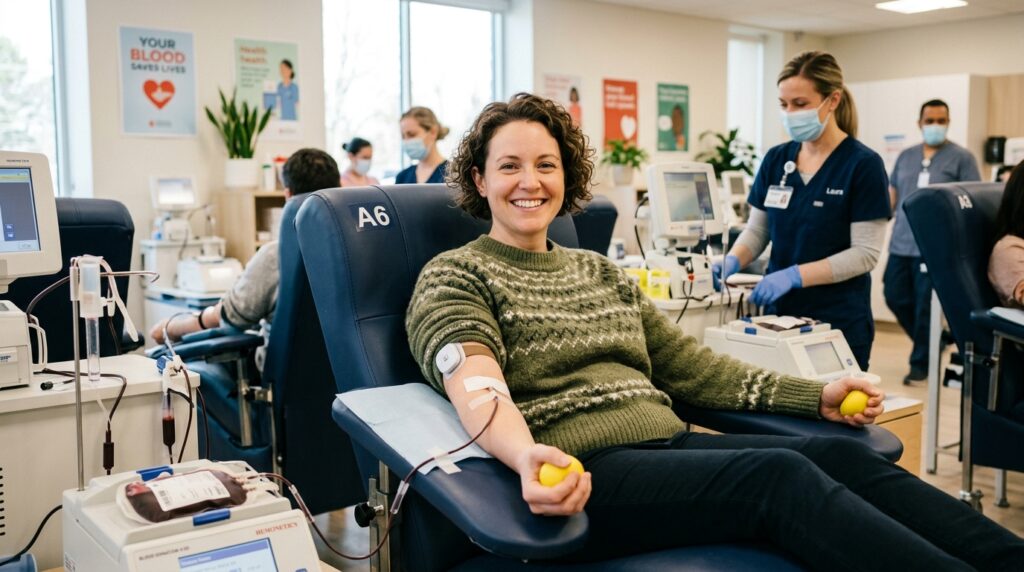
Can diabetics donate blood? Yes, and honestly, the answer might surprise you. A lot of people with diabetes assume they are not allowed to give blood. But that is simply not true. If your blood sugar levels are under control and you feel well, you may be more than welcome at the donation center.
Every two seconds, someone in the United States needs donated blood. That is a huge need. And people with Type 1 diabetes or Type 2 diabetes can absolutely be part of the solution.
What “Well-Controlled” Diabetes Really Means
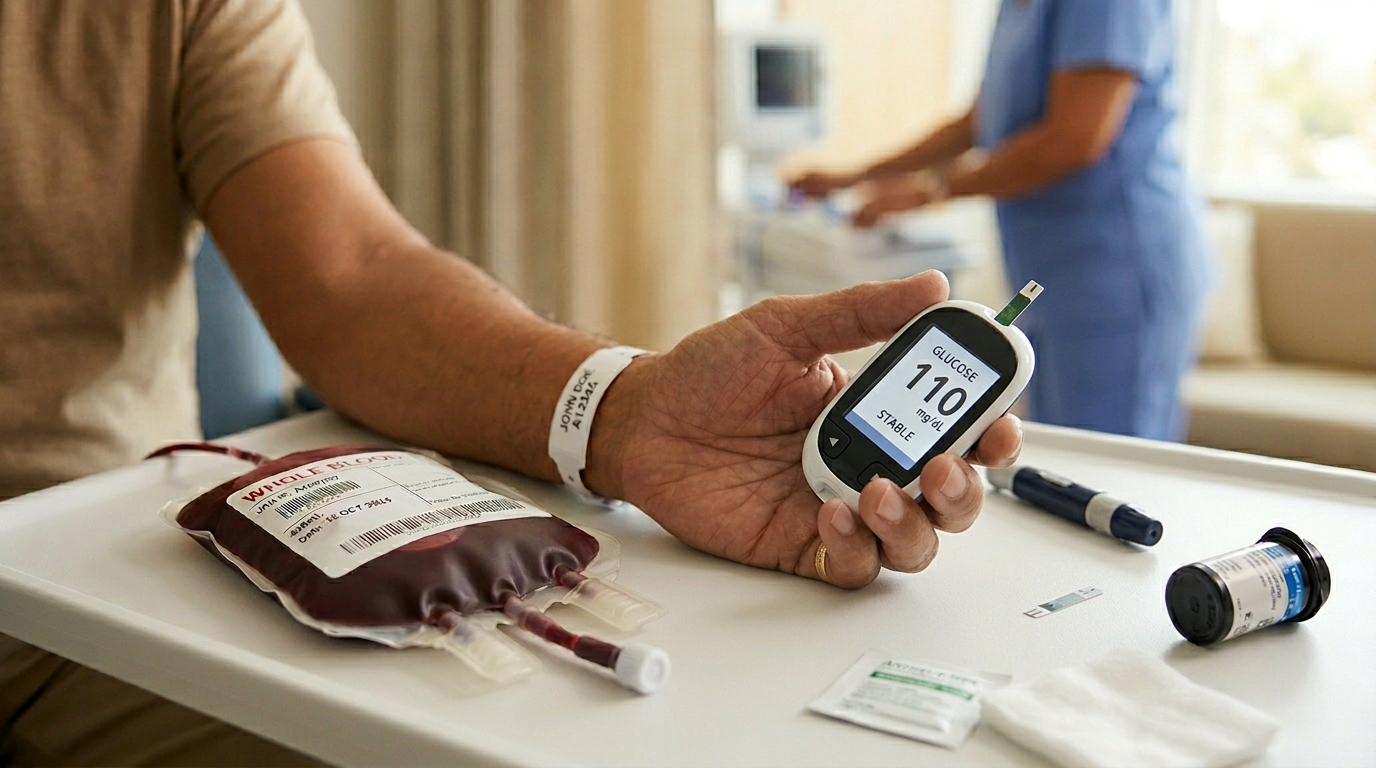
When doctors and blood banks say your diabetes must be “well-controlled,” they mean your blood glucose is staying within a safe and normal range most of the time. You are taking your medicine regularly. You are eating right. You are not having dangerous highs or lows very often.
You do not need perfect numbers. But if your A1C is well above 9%, or your blood sugar level is over 200 mg/dL on donation day, it is smarter to wait a bit. Not because the rules say you have to, but because your blood quality might be lower during that time. According to the American Red Cross, donors with diabetes are eligible as long as they feel well and their condition is managed.
I once talked to a friend who has had Type 2 diabetes for years. She was shocked to find out she could donate. She had just assumed the answer was no. It never even occurred to her to ask. That kind of assumption holds a lot of people back from doing something really good.
Does the Type of Diabetes Matter?
Not really. Whether you have Type 1 diabetes or Type 2 diabetes, the rules are basically the same. Both types are eligible, as long as you are healthy and your diabetes is well managed.
Type 1 diabetes is an autoimmune disease where the body attacks the insulin-producing cells in the pancreas. People with this type depend on insulin therapy every day. Type 2 diabetes is more common. The body becomes insulin resistant and cannot use insulin properly over time.
Prediabetes is also on the list. If you have prediabetes and feel well, you are generally eligible too. The key is always: how are your blood glucose levels right now?
Who Is Eligible to Donate Blood with Diabetes?
Basic Requirements for All Blood Donors
Even without diabetes, every donor needs to meet some basic rules. These apply to everyone, including people managing diabetes:
You must be at least 17 years old (16 in some states with parental consent). You must weigh at least 110 pounds. You must be in good health and feeling well on the day of your donation. You must bring a valid ID with you.
If you have diabetes, you also need to share that during the screening process. The staff will ask about your condition, your medications, and how well managed your blood sugar is. Be honest. They are not there to judge you. They just want to keep both you and the person receiving the blood safe.
When Should You NOT Donate Blood?
There are some situations where you should hold off, even if you have well-managed diabetes.
Do not donate if your blood glucose is too high or too low on that day. Do not donate if you have an active infection, fever, or feel sick. Do not donate if you are pregnant. Do not donate if you recently had a blood transfusion or organ transplant in the last three months. Do not donate if you have recently traveled to a malaria-risk area.
If you take blood thinners like Warfarin, that is also a problem. More on that in a moment.
The bottom line is this: if you are not feeling your best, it is perfectly okay to reschedule. Your health comes first.
What Medications Can You Take and Still Donate?
Insulin and Other Injectable Medications
Good news here. Most diabetes medications do not stop you from donating. Whether you are on insulin injections like Apidra or Humalog, or injectable drugs like Ozempic or Mounjaro, you are still generally eligible.
Oral medications like metformin are also fine. GLP-1 medications like Ozempic and Zepbound are not listed as disqualifying by the American Red Cross. As long as your diabetes is well controlled, you are good to go.
One important note: if you have ever used bovine insulin (insulin made from cattle in the UK) since 1980, you are not eligible to donate. This is because of concerns about a rare condition called variant Creutzfeldt-Jakob Disease. But this type of insulin is not used anymore, so most people do not need to worry about it.
One Medication That Actually Disqualifies You
There is one medication that does make you ineligible: Warfarin. This is a blood thinner that some people take. It can interact with certain diabetes drugs and cause serious blood sugar drops. If you take Warfarin, you cannot donate.
You should never stop taking a prescribed medicine just to become eligible to donate. That would put your health at serious risk. Talk to your doctor if you have questions about your specific medications.
How to Prepare for Blood Donation as a Diabetic
What to Do Before Your Donation Day
Preparing well makes the whole experience safer and easier, especially when you have diabetes.
Drink a lot of water in the days before your appointment. This helps with the donation and keeps you from feeling dizzy. Eat iron-rich foods like spinach, red meat, or beans one to two weeks before donating. Get a good night’s sleep the night before. Eight or more hours is ideal. Eat a balanced meal before you go. Skipping meals when you have diabetes can cause your blood glucose to drop dangerously. Bring your list of current medications with you. Bring a valid ID.
Monitor your blood sugar level before you leave the house. If it is within your normal range, you are likely good to go. If it is too high or too low, contact your doctor before heading in.
What Happens After You Donate?
After donating, your body starts working to replace the red blood cells it just lost. For people with diabetes, this process can cause a few things worth knowing about.
Some Type 1 diabetics report slightly higher blood glucose in the three to five days after donating. This is temporary. Also, donating blood can temporarily lower your A1C or HbA1c reading. This happens because of red blood cell turnover. It does not mean your diabetes is more controlled. It is just a side effect of the donation process.
Make sure to rest, drink plenty of fluids, and eat well after donating. Monitor your blood sugar closely for a few days. If anything feels off, call your doctor.
Can Diabetics Donate Plasma and Platelets Too?
Donating Plasma with Diabetes
Yes! People with diabetes can also donate plasma. Plasma is the liquid part of your blood. It carries nutrients, proteins, and important compounds throughout your body.
The rules for plasma donation are similar to whole blood donation. Your diabetes must be stable and well-managed. You should be in good general health. And you should be hydrated and fed well on donation day.
Unlike blood which cannot be manufactured, plasma can be collected and stored to help people with burns, shock, and other serious conditions. Your donation truly matters.
Donating Platelets with Diabetes
Platelet donation is another option. Platelets are tiny blood cells that help your body form clots and stop bleeding. People going through cancer treatment or major surgeries often need platelet transfusions.
If your diabetes is well controlled, you can donate platelets every 7 days. That is actually more often than whole blood, which can only be given every 56 days. So if you are eager to help more often, platelet donation might be a good fit for you.
Talk to your local donation center about what is best based on your health.
Does Donating Blood Affect Your Blood Sugar or A1C?
How Blood Donation Impacts A1C Results
Here is something a lot of people do not know. Donating blood can make your A1C look lower than it really is. This is not dangerous. But it can be confusing if you get an A1C test within a few months of donating.
When you donate, your body makes new red blood cells faster than normal. These new cells do not yet carry much glucose, so your HbA1c reading can drop. It does not reflect your real long-term blood sugar control. According to a study published in research by the American Diabetes Association, this false lowering of A1C can last up to two months after donation.
Always tell your doctor if you have recently donated blood before getting an A1C test.
Managing Blood Sugar After Donation
After donating, keep a close eye on your blood glucose levels for the next few days. Some people with Type 1 diabetes notice small changes in their numbers.
Eat regularly. Stay hydrated. Rest well. Do not do intense exercise right after donating. If you feel dizzy, lightheaded, or your blood sugar drops too low, sit or lie down and treat your hypoglycemia as you normally would.
The American Red Cross suggests that all donors, with or without diabetes, rest and drink extra fluids after their donation. For people with diabetes, this advice is even more important.
Conclusion
Can diabetics donate blood? Yes, absolutely. As long as your diabetes is well-managed, you feel good, and you meet the basic age and weight rules, you are welcome to donate. Both Type 1 diabetes and Type 2 diabetes are eligible. Most diabetes medications including insulin are not a problem.
A single blood donation can help up to three people. And blood cannot be made in a lab. It only comes from kind people who choose to give. If you have been holding back because of your diabetes, talk to your doctor and ask if you are ready. You might just change someone’s life.
If you found this helpful, I would love to hear your thoughts. Have you ever donated blood while managing diabetes? Share your experience in the comments below.
Frequently Asked Questions
Can I donate blood if I take insulin for diabetes?
Yes. According to the American Red Cross, people with diabetes who take insulin are eligible to donate as long as their condition is well controlled and they feel well on donation day. Most types of insulin including Humalog, Apidra, and others are acceptable.
How often can a diabetic donate blood?
If your diabetes is well managed, you can donate whole blood every 56 days. If you choose platelet donation, you can donate every 7 days. Plasma donation frequency depends on the center’s guidelines. Always check with your local donation center first.
Does blood donation affect blood sugar levels?
It can. Some people with diabetes notice small changes in their blood glucose in the days after donating. Also, donating can temporarily lower your A1C reading by speeding up red blood cell turnover. This is not dangerous but is worth knowing before your next A1C test.
What medications disqualify a diabetic from donating blood?
Most diabetes medications are fine, including metformin, insulin, Ozempic, and Mounjaro. The main exception is Warfarin, a blood thinner that disqualifies you from donating. Bovine insulin used before 1980 is also a disqualifier, though this type is no longer in use today.
Can people with uncontrolled diabetes donate blood?
No. If your blood sugar levels are consistently high or very unstable, you should wait before donating. High blood glucose in donated blood lowers the quality of the blood over time. Work with your doctor to bring your levels into a healthy range first. Once your diabetes is under control, you may be eligible to donate.
