
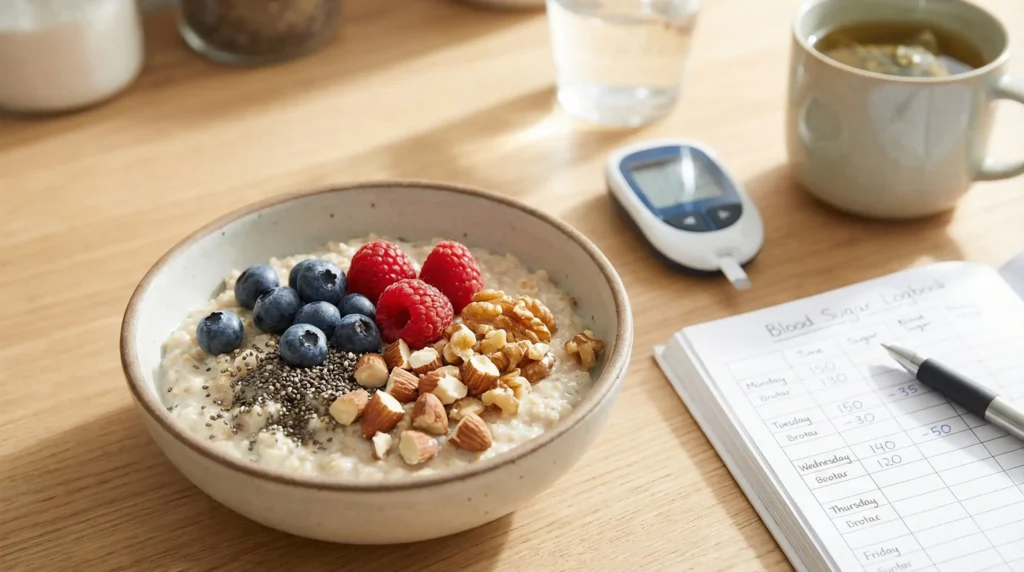
You wake up in the morning and think about breakfast. Your friend told you oatmeal is healthy for your heart. But you have diabetes, and now you wonder, is oatmeal really good for me?
This question is very important. What you eat can change your blood sugar levels fast. Some foods help; others make things worse.
I remember when my uncle got diabetes. He loved eating instant oatmeal every morning with honey. He thought it was healthy. But after eating, he felt tired and weak. When he checked his blood sugar, it was very high. He was shocked because everyone said oatmeal is good.
The truth is: oatmeal can be good for diabetics, but only when you eat the right type in the right way.
What Is Oatmeal?
Before we talk about diabetes, let’s understand what oatmeal is.
Oatmeal comes from oat groats. These are oat seeds with the hard outer shell removed. People eat oats in many ways. You can make warm porridge or cold overnight oats.
Oats are a whole grain. This means they have all three parts of the grain: the bran, the germ, and the middle part. Whole grains give you more fiber and vitamins than white bread or white rice.
Types of Oatmeal
Not all oatmeal is the same. Here are the main types:
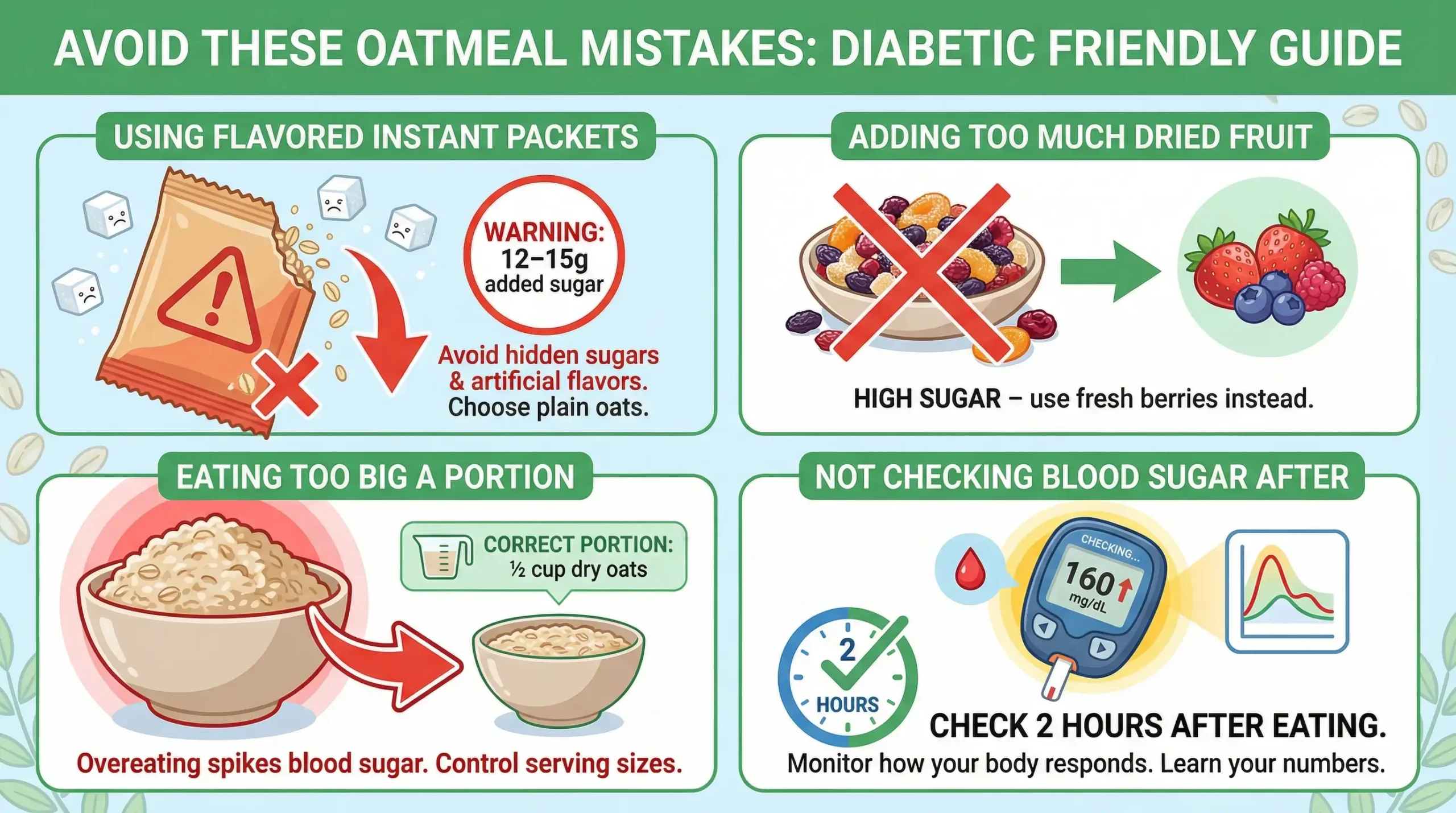
Steel-cut oats are the least changed. Workers cut whole oat groats into two or three pieces with steel blades. These take about 30 minutes to cook. They have a chewy feel and a nutty taste.
Rolled oats (also called old-fashioned oats) are steamed and then rolled flat. They cook faster than steel-cut oats, about 5 to 10 minutes.
Instant oats are cut into very small pieces, cooked, dried, and then rolled very thin. You can make them in just 2 minutes or even with hot water. But they lose some nutrients during all this work.
Can Diabetics Eat Oatmeal?
Yes, diabetics can eat oatmeal. But the type you choose and how you make it really matters.
Let me explain this clearly. Oatmeal has carbs. Your body breaks down carbs into glucose (sugar). This glucose goes into your blood. For people with diabetes, too much glucose in the blood is dangerous.
But oatmeal also has fiber, especially a special type called beta-glucan. Fiber slows down how fast your body breaks down food. This means your blood sugar goes up slowly, not all at once like a big wave.
Why Some Doctors Say Yes to Oatmeal
Many studies show that oatmeal can help people with type 2 diabetes. According to research published by the National Institutes of Health, eating oats can lower hemoglobin A1C levels. This is a test that shows your average blood sugar over three months.
Oatmeal can also help with:
- Lowering bad cholesterol (LDL)
- Keeping you full longer so you don’t eat too much
- Giving you energy that lasts through the morning
- Helping with weight loss
A study by the American Diabetes Association found that people who eat oats regularly have a 22% lower risk of getting diabetes compared to people who eat very little oats.
When Oatmeal Can Be Bad for Diabetics
Here’s the problem: not all oatmeal helps your blood sugar.
Instant oatmeal and flavored packets often have added sugar. Some have as much sugar as a candy bar. These will make your blood sugar jump very fast.
Also, if you eat too much oatmeal at once, even the healthy kind, it can still raise your blood sugar too much. A big bowl of oatmeal has about 30 grams of carbs. Your body sees this as a lot of sugar to deal with.
The Best Type of Oatmeal for Diabetics
If you have diabetes and want to eat oatmeal, choose wisely.
Steel-Cut Oats Are Your Best Friend
Steel-cut oats are the top choice. They are the least changed from their natural form. They have more fiber and take longer to cook.
The glycemic index (GI) of steel-cut oats is about 42 to 52. The glycemic index tells you how fast a food raises your blood sugar. Foods with a low GI (under 55) are better for diabetics.
I tried steel-cut oats for the first time last year. At first, I didn’t like waiting 30 minutes for breakfast. But then I learned a trick—I cook a big pot on Sunday and keep it in the fridge. Every morning, I take one serving and heat it up. Easy and fast.
Rolled Oats Are OK Too
Rolled oats are also good, but not as good as steel-cut. Their GI is about 55. They cook faster, which is nice when you’re in a hurry.
Many people use rolled oats to make overnight oats. You mix oats with milk or yogurt the night before and keep them in the fridge. In the morning, they’re ready to eat cold.
Avoid Instant Oatmeal
Stay away from instant oatmeal if you can. The GI can be 70 to 80. That’s high. Your blood sugar will go up fast after eating it.
Plus, instant oatmeal packets often have added sugar, salt, and fake flavors. Check the label. If you see sugar listed in the first three ingredients, don’t buy it.
How Oatmeal Affects Your Blood Sugar
Let me break this down in simple words.
When you eat oatmeal, your body starts to break it down in your stomach. The starch in oats turns into glucose. This glucose moves into your blood.
Here’s where fiber helps. The beta-glucan fiber in oats forms a thick gel in your stomach. This gel slows down how fast food leaves your stomach. Because of this, glucose enters your blood slowly instead of all at once.
What Happens With Different Types
With steel-cut oats, your blood sugar rises gently over one to two hours. It’s like a small hill—up slowly, then down slowly.
With instant oats, your blood sugar shoots up in 30 to 45 minutes. It’s like a mountain—up very fast, then down fast. This fast drop can make you feel hungry again soon.
According to the Mayo Clinic Health System, the fiber in oats helps control blood sugar by slowing down how fast your body absorbs carbs.
How to Make Oatmeal Healthier for Diabetes
You can make your oatmeal even better for your blood sugar. Here are some easy tips.
Add Protein
Protein slows down how fast carbs turn into sugar in your blood. Add one of these to your oatmeal:
- Greek yogurt (plain, no sugar)
- A spoonful of nut butter (almond or peanut)
- A handful of nuts (walnuts, almonds, or pecans)
- Protein powder
- An egg on the side
I like to add a spoon of almond butter to my oats. It tastes great and keeps me full until lunch.
Use Healthy Fats
Fats also help slow down sugar going into your blood. Try adding:
- Chia seeds
- Flaxseeds
- A few slices of avocado
- Coconut oil
Pick the Right Toppings
Some toppings are good, some are bad. Good toppings:
- Berries (blueberries, strawberries, raspberries)
- Cinnamon
- A little vanilla
- Unsweetened coconut flakes
Bad toppings to avoid:
- Brown sugar
- Honey
- Maple syrup
- Dried fruit with added sugar
- Chocolate chips
A study in the journal Clinical Nutrition found that adding cinnamon to meals can help lower blood sugar after eating.
Watch Your Portion Size
This is very important. Even healthy oatmeal can raise your blood sugar if you eat too much.
A good serving size is half a cup of dry oats. This makes about one cup of cooked oatmeal. This has about 27 to 30 grams of carbs.
Use a measuring cup at first. After a while, you’ll know what the right amount looks like.
Best Ways to Cook Oatmeal for Diabetics
How you cook your oatmeal matters too.
Cook It With Water or Unsweetened Milk
Plain water is the safest choice. It has zero carbs and zero sugar.
If you want a creamier taste, use unsweetened almond milk or unsweetened soy milk. These have fewer carbs than regular milk. Regular milk has about 12 grams of carbs per cup, which adds up.
Make Overnight Oats
Mix rolled oats with Greek yogurt or unsweetened milk. Add some chia seeds and berries. Put it in the fridge overnight. In the morning, it’s ready to eat.
Some people say overnight oats are easier on blood sugar because the oats have more time to absorb liquid. The texture is softer and might digest a bit slower.
Cook a Big Batch
Make a big pot of steel-cut oats on Sunday. Keep it in the fridge. Each morning, take one serving and heat it up. Add fresh toppings each day.
This saves time and helps you stick to the right portion size.
Health Benefits of Oatmeal for Diabetics
Oatmeal does more than just control blood sugar. It helps your whole body.
Lowers Bad Cholesterol
The beta-glucan fiber in oats works like a sponge in your gut. It soaks up bad cholesterol before your body can absorb it.
Research from Harvard Health shows that eating oats regularly can lower LDL cholesterol by 5% to 10%. This is important because people with diabetes have a higher risk of heart disease.
Helps With Weight Loss
Oatmeal keeps you full for a long time. When you feel full, you eat less during the day. This can help you lose weight.
Losing even 5% to 7% of your body weight can make a big difference if you have diabetes. Your blood sugar control gets better, and you might need less medication.
Good for Your Heart
Oats have special plant chemicals called antioxidants. These help protect your heart and blood vessels.
According to the American Heart Association, whole grains like oats can reduce the risk of heart disease by up to 30%.
Gives You Long-Lasting Energy
Unlike sugary cereals that give you quick energy and then make you crash, oatmeal gives steady energy. You won’t feel tired an hour after breakfast.
Common Mistakes to Avoid
Many people make these mistakes when eating oatmeal with diabetes.
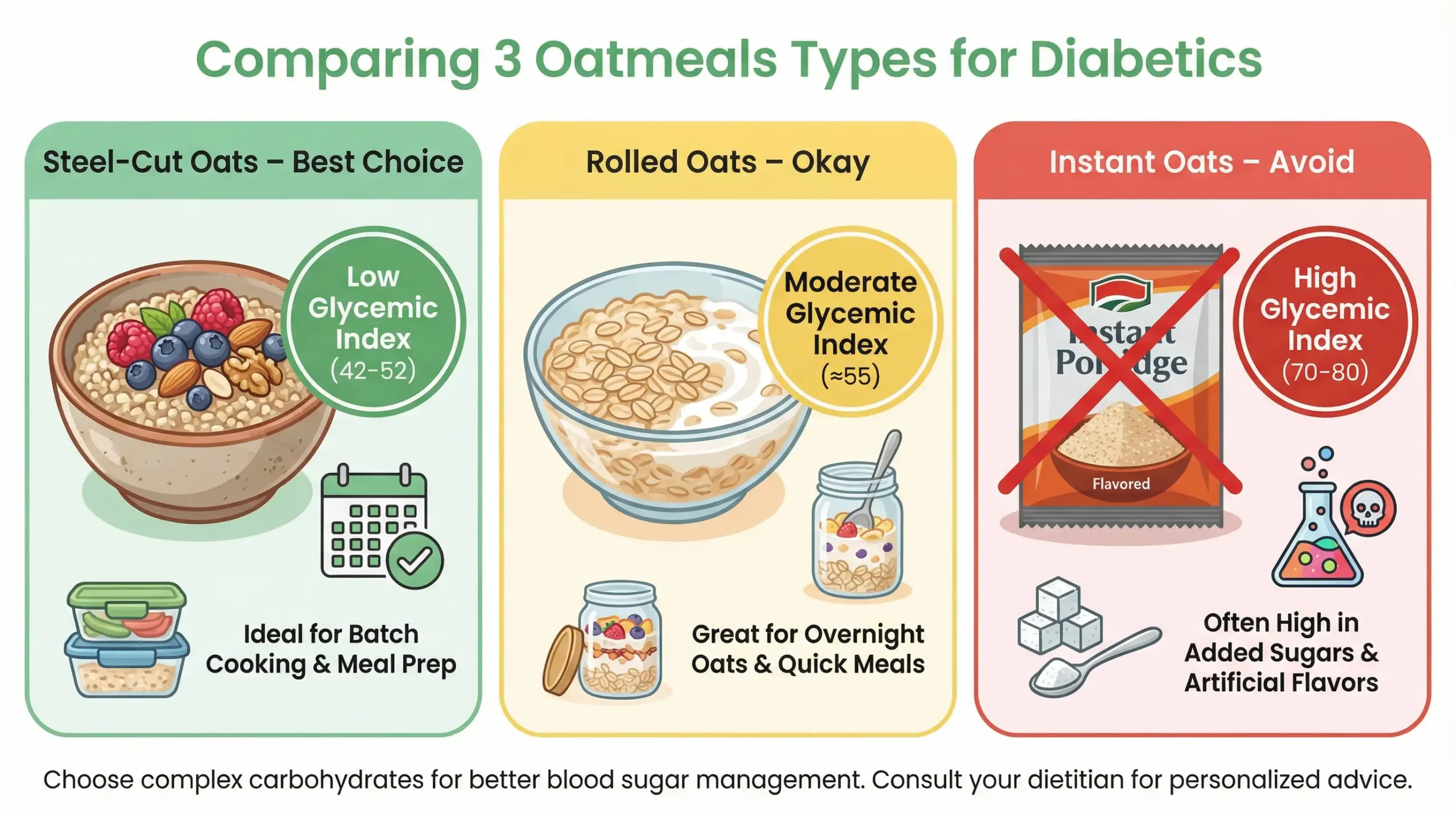
Using Flavored Instant Packets
Those little packets that say “maple brown sugar” or “apple cinnamon” seem easy. But they have a lot of added sugar.
One packet can have 12 to 15 grams of added sugar. That’s like eating 3 to 4 spoons of sugar for breakfast.
Adding Too Much Dried Fruit
Dried fruit sounds healthy, but it’s very high in sugar. When fruit is dried, all the water goes away. What’s left is pure sugar in a small package.
Just two tablespoons of raisins have 15 grams of carbs. If you want fruit, use fresh berries instead. They have less sugar and more fiber.
Eating Too Big a Portion
This is the biggest mistake. A huge bowl of even the healthiest oatmeal will still raise your blood sugar too much.
Stick to half a cup of dry oats. That’s it. If you’re still hungry, add more protein or vegetables on the side, not more oats.
Not Checking Your Blood Sugar After
Everyone’s body is different. What works for your friend might not work for you.
Check your blood sugar two hours after eating oatmeal. If it goes up more than 30 to 50 points, you might need to eat less oatmeal or add more protein.
Alternatives to Oatmeal for Diabetics
If oatmeal doesn’t work well for your blood sugar, don’t worry. There are other good breakfast options.
Chia Seed Pudding
Chia seeds are very high in fiber and low in carbs. Mix 3 tablespoons of chia seeds with one cup of unsweetened almond milk. Add a little vanilla. Put it in the fridge overnight. Top with berries in the morning.
Eggs
Eggs have almost zero carbs and lots of protein. They won’t raise your blood sugar at all. You can make them scrambled, boiled, or as an omelet with vegetables.
Greek Yogurt
Plain Greek yogurt (not flavored) has less sugar than regular yogurt and more protein. Add some nuts and berries for a complete meal.
Cottage Cheese
Low-fat cottage cheese is high in protein. Mix it with fresh berries and a few walnuts. It tastes good and won’t spike your blood sugar.
Quinoa
Quinoa is a seed that you can eat like a grain. It has protein and fiber. You can make it like oatmeal—cook it and add toppings. It has a lower effect on blood sugar than regular oats.
What Research Says About Oatmeal and Diabetes
Let’s look at what scientists have found.
A big review study in the journal Nutrients looked at data from many different studies. The researchers found that people with type 2 diabetes who ate oats had better blood sugar control than those who didn’t.
Another study published in the British Journal of Nutrition in 2019 tested different types of oats. They found that steel-cut oats and rolled oats caused a slower rise in blood sugar than instant oats.
Researchers at the Mayo Clinic also studied oats. They found that the beta-glucan fiber in oats helps lower both blood sugar and cholesterol. They recommend eating at least 3 grams of beta-glucan per day. One serving of oats has about 2 grams.
According to a 2022 study in Foods, eating oats can help reduce the risk of heart disease in people with diabetes. The study was done by researchers at universities in the United States.
Tips for Eating Oatmeal Safely With Diabetes
Here are some smart tips to follow:
Test Your Blood Sugar
Always check your blood sugar before you eat and two hours after. Write down the numbers. This tells you how your body reacts to oatmeal.
Talk to Your Doctor
Before you make big changes to what you eat, talk to your doctor or a dietitian. They can help you plan meals that fit your needs.
Balance Your Plate
Don’t make oatmeal your whole meal. Have some protein and healthy fat too. Maybe eat a hard-boiled egg on the side or add nuts to your oats.
Read Labels Carefully
If you buy oatmeal from the store, read the label. Look for:
- 100% whole grain
- No added sugar
- No added salt
- At least 3 grams of fiber per serving
Don’t Eat Oatmeal Every Day
It’s OK to eat oatmeal a few times a week. But switch it up. Some days, eat eggs. Other days, try Greek yogurt. This gives your body different nutrients.
Conclusion
So, is oatmeal good for diabetics? The answer is yes—but only if you choose the right type and eat it the right way.
Steel-cut oats are the best choice. They have more fiber and a lower effect on blood sugar. Rolled oats are OK too. But stay away from instant oatmeal with added sugar.
Remember to watch your portion size. Half a cup of dry oats is enough. Add protein and healthy fats to slow down how fast the carbs turn into sugar. Use good toppings like berries and cinnamon.
Most importantly, check your blood sugar after eating oatmeal. This shows you how your body reacts. Everyone is different.
Oatmeal can be part of a healthy eating plan for diabetics. It can help lower cholesterol, keep you full, and give you steady energy. Just be smart about it.
Your health is in your hands. Make good choices. Eat the right foods in the right amounts. And always listen to your body.
Frequently Asked Questions
Can diabetics eat oatmeal every day?
Yes, but it’s better to eat oatmeal a few times a week, not every single day. Switch between oatmeal, eggs, and other healthy breakfasts. This gives your body different nutrients and helps keep your blood sugar more stable.
Is instant oatmeal OK for diabetics?
No, instant oatmeal is not the best choice. It raises your blood sugar very fast because it’s heavily processed. The packets also usually have added sugar. Choose steel-cut oats or rolled oats instead.
How much oatmeal can a diabetic eat?
A good serving size is half a cup of dry oats. This makes about one cup when cooked. This amount has about 27 to 30 grams of carbs, which is a safe amount for most diabetics when paired with protein and healthy fats.
Should diabetics eat oatmeal for breakfast or dinner?
Breakfast is usually better. Your body is more sensitive to insulin in the morning, so it can handle carbs better. Eating oatmeal before bed might raise your blood sugar overnight, which is not good.
Can oatmeal lower blood sugar levels?
Oatmeal doesn’t lower blood sugar directly. But the fiber in oats can help prevent big spikes in blood sugar after eating. Over time, eating oats regularly may help improve your overall blood sugar control and lower your A1C levels.
